





The 2024 Ghanaian general election resulted in a significant political shift, marking a decisive victory for the National Democratic Congress (NDC) and a humbling defeat for the incumbent New Patriotic Party (NPP). The NPP’s loss, characterized by some as “humiliating,” served as a potent reminder that the electorate holds considerable power and will not tolerate governance perceived as inadequate or dismissive of their needs. The outcome underscored the importance of accountability and responsiveness in political leadership, signaling a potential shift in the political landscape of Ghana. The pre-election atmosphere was charged with anticipation, culminating in the December 7th vote where citizens exercised their right to choose their representatives. While the official declaration by the Electoral Commission was pending, the NPP’s presidential candidate, Dr. Mahamudu Bawumia, conceded defeat to the NDC’s John Dramani Mahama, acknowledging the apparent mandate given to the opposition.
The resounding nature of the NPP’s defeat, evident in both the presidential and parliamentary races, prompted reflections on the party’s performance while in power. Critics pointed to perceived shortcomings in governance, economic management, and responsiveness to public concerns as contributing factors to their loss. The outcome served as a stark illustration of the consequences of failing to meet the expectations of the electorate. The NDC’s projected majority in Parliament further solidified their victory, granting them a stronger position to implement their agenda and potentially reshape the direction of the country’s policies. The election results resonated beyond the immediate political sphere, triggering discussions about the dynamics of power, the role of citizen engagement, and the future trajectory of Ghanaian democracy.
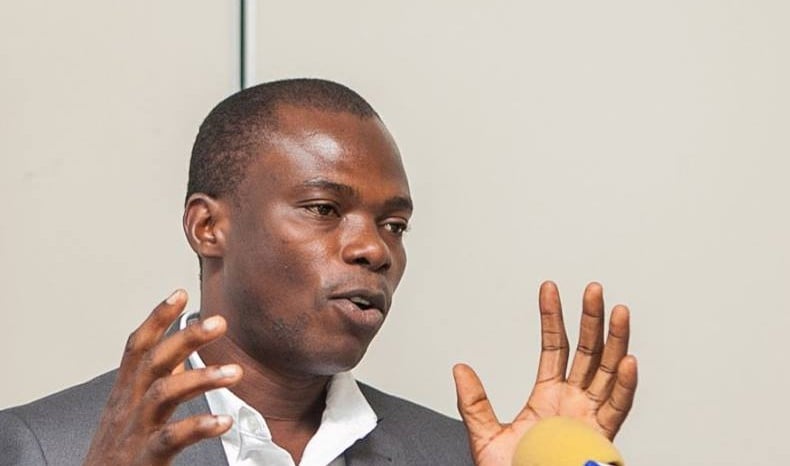
Sulemana Braimah, Executive Director of the Media Foundation for West Africa (MFWA), offered a pointed commentary on the election’s outcome, emphasizing the message sent by the Ghanaian people. He highlighted the electorate’s growing political awareness and their refusal to be taken for granted by those in power. Braimah’s remarks underscored the significance of the election as a demonstration of the public’s ability to hold their leaders accountable and effect change through the democratic process. His observation that the defeat was a “clear message” from the people suggested a growing demand for more responsive and effective governance. He further cautioned the incoming NDC government against complacency, urging them to learn from the NPP’s mistakes and prioritize the needs of the people.
The NPP’s loss, while significant, also presents an opportunity for reflection and internal reform. The party faces the challenge of analyzing the factors that contributed to their defeat and adapting their strategies to regain public trust. The election results could potentially lead to internal restructuring, a reassessment of their policy positions, and a renewed focus on connecting with the electorate. This period of introspection could ultimately strengthen the party and contribute to a more robust and competitive political landscape in the future. The transition of power to the NDC marks a new chapter in Ghanaian politics, presenting both opportunities and challenges for the incoming administration.
The NDC inherits a complex set of economic and social issues, requiring careful consideration and strategic planning to address effectively. Their success will depend on their ability to translate their campaign promises into tangible improvements in the lives of ordinary Ghanaians. The incoming government will need to navigate a range of complex policy areas, including economic development, job creation, education, healthcare, and infrastructure development. Furthermore, they will be expected to uphold the principles of good governance, transparency, and accountability to maintain the public’s trust and ensure the long-term stability of the country.
The 2024 Ghanaian election serves as a case study in the dynamics of democratic processes, highlighting the importance of citizen participation, accountability, and the constant evolution of political landscapes. The results underscore the power of the electorate to shape the future of their nation and hold their leaders accountable for their actions. The transition of power to the NDC represents a fresh start, offering the opportunity to address existing challenges and chart a new course for Ghana’s development. The incoming government’s ability to meet the expectations of the people will be a key determinant of their success and the long-term stability and prosperity of the nation.








