





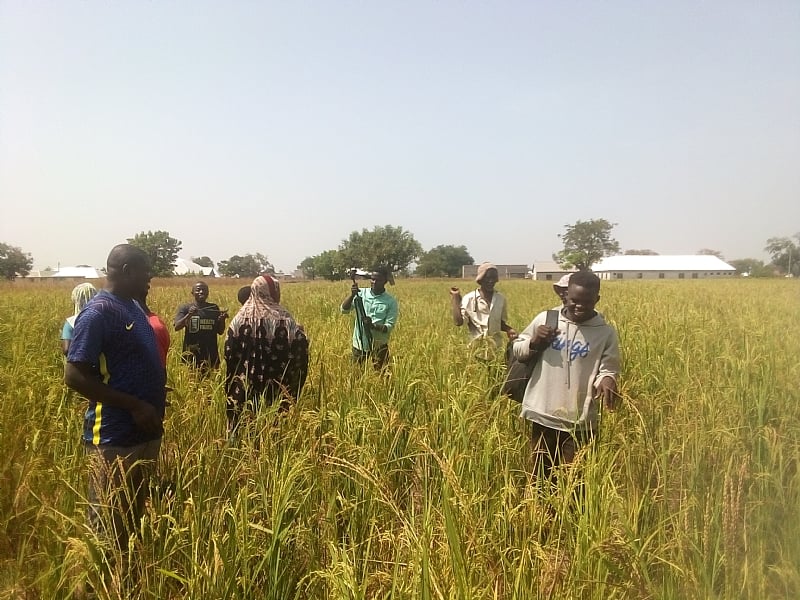
The support from 24 Group Limited, an agro organization based in Tamale, has significantly impacted small-scale farmers in the Tamale North Constituency of the Northern Region by facilitating a productive rice harvest. By engaging in capacity building programs focusing on good agronomic practices, these smallholder farmers managed to cultivate over 250 acres of rice across their communities, contributing to enhanced food security in the region. They anticipate yields of approximately 30-35 bags of rice from each field, with assurances from the local Member of Parliament, Alhassan Saibu Suhuyini, to purchase the harvested produce, ensuring financial returns for the farmers. The initiative, which extends beyond Tamale, aligns with broader efforts to bolster local agriculture, improve resilience against challenges, and stimulate economic growth.
In tandem with the support from 24 Group Limited, farmers received crucial resources such as fertilizers, financial aid for ploughing, and agricultural chemicals to combat pests and insects. The beneficiaries expressed their gratitude to both the MP and the NGO, highlighting the importance of the training programs that provided them with essential knowledge on the best agricultural practices. This information included guidance on optimal seeds and necessary chemicals, ultimately enabling farmers to maximize their yields and profits. The training not only revitalized their farming ventures but also equipped them to contribute more significantly to feeding their families and the nation, alongside generating additional revenue.
Mahama Mohammed, the Executive Director of 24 Group Limited, underscored the essential nature of farming in the lives of local farmers, as their livelihoods depend on agricultural activities. Nevertheless, a surge in the prices of farm inputs and associated products has posed major challenges to their efforts. The support they received was crafted to rejuvenate farming operations in the region, helping to alleviate some of these burdening issues. Mr. Mohammed articulated a genuine passion for fostering agricultural growth, asserting that empowering farmers with the appropriate knowledge and resources directly translates to improving the broader economy, as farmers play a crucial role in food production.
However, challenges persist in the agricultural sector, particularly relating to soil quality and post-harvest losses, which can curtail farmers’ productivity. To mitigate these issues, Mr. Mohammed advised farmers to utilize fertilizers effectively to replenish soil nutrients, thus promoting optimal crop growth. Recognizing the constant pressure on farmers, Baba Tahiru, the Communication Officer for the MP, acknowledged that the MP has been a consistent supporter with annual provision of farm inputs and chemicals. This year’s collaboration with 24 Group Limited emphasized the importance of adopting practical agronomic practices to further uplift crop production and farmer livelihoods.
As farmers like Abu Zakaria and Kulaha-Amadu Alhassan shared their testimonials, they highlighted the pressing challenges posed by climate change and increasing costs of farming inputs. Abu Zakaria voiced concerns about the adverse impacts of climate fluctuation on their agricultural undertakings, emphasizing the need for continued support from the government and other stakeholders. Meanwhile, Kulaha-Amadu Alhassan, who cultivates diverse crops including rice, maize, and soybeans, pointed out how rising input costs had severely impacted their revenues, making farming increasingly untenable for many. The assistance from the MP and 24 Group Limited offers a beacon of hope, suggesting that such support could be pivotal in restoring their agricultural activities.
In conclusion, the collaborative efforts between 24 Group Limited and the Tamale North MP represent a concerted attempt to uplift small-scale farmers by enhancing agricultural productivity and sustainability in the Northern Region. By supplying essential resources and education on good agronomic practices, these initiatives aim to bolster food security and provide a safety net for local farmers amidst the evolving challenges they face. This collaborative framework not only aims to transform agricultural outcomes for the farmers directly involved, but it also seeks to strengthen the agricultural foundation of the region, creating a ripple effect that could foster broader economic development and food security across Ghana. Continued support from various sectors will be vital for ensuring the longevity and success of such agricultural initiatives.








