





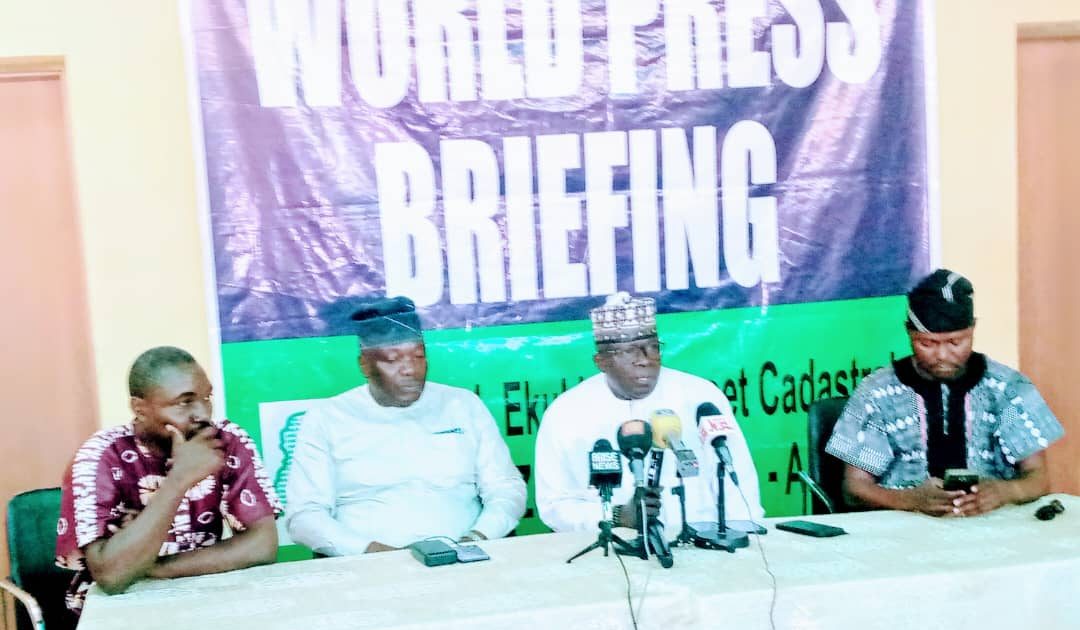
The Taraba State Government has recently taken steps to address environmental concerns, specifically focusing on the issue of tree-cutting and burning for charcoal production. Amid fears of desert encroachment and other forms of environmental degradation, the Chairman of the Taraba Task Force on Environmental Protection, Public Safety, and Prohibition of Land Degradation, Gen. Jeremiah Faransa, emphasized these initiatives during a press conference in Jalingo, the state capital. The government recognizes the pressing issue of illegal tree removal, which not only threatens the ecosystem but also significantly impacts the state’s economic landscape, given that charcoal has increasingly become an export product from Taraba.
Faransa acknowledged the complex dynamics surrounding the use of charcoal, highlighting the rising costs associated with this essential cooking fuel. Despite the increased financial burden on residents due to illegal tree-cutting, he stressed that the government’s primary goal is to protect the environment. By regulating the removal of economic trees and ensuring that those who cut down trees also engage in replanting efforts, the government is attempting to create a more sustainable approach to land use. This dual focus seeks to remedy the balance between resource utilization and environmental conservation.
The task force chairman pointed out that the illegal charcoal trade has led to a disproportionate benefit for those involved in the reselling of charcoal outside the state. He noted that while charcoal is sold for 4,500 naira in Jalingo, it could fetch as much as 12,000 naira in Abuja, illustrating the significant profit margins for unscrupulous traders. This situation indicates that the local economy is suffering, while a cartel of resellers capitalizes on the situation, further driving the need for increased regulations and enforcement of environmental protections.
In addressing concerns regarding local livelihoods and access to cooking fuel, Faransa indicated that the state is not entirely opposed to the use of firewood for domestic cooking purposes. Still, the government is firmly against the reckless destruction of valuable economic trees that serve important ecological functions. The state’s approach aims to balance the immediate needs of its citizens with the long-term health of its natural resources, fostering resilience against potential environmental degradation and cultural loss related to sustainable land practices.
Media reports indicate that there has been considerable public outcry in Taraba State over the surging price of charcoal, a direct consequence of the ongoing efforts to combat illegal tree cutting. This crisis has exacerbated hardships for many residents, especially given the simultaneous rise in the costs of gas and fuel, which are further burdening domestic economics. The government appears to recognize the intertwined nature of these issues, as the task force seeks innovative solutions to alleviate pressure on households while addressing the environmental concerns linked to charcoal production.
Ultimately, the actions of the Taraba State Government represent an effort to strike a delicate balance between environmental preservation and the economic realities faced by its citizens. While immediate solutions may be required to mitigate the financial strain experienced in the state, a broader commitment to sustainable practices appears vital for ensuring long-term resilience against desert encroachment and degradation. Through regulation and community engagement, the government hopes to cultivate a sustainable approach that safeguards both the people and the natural environment of Taraba State.








