





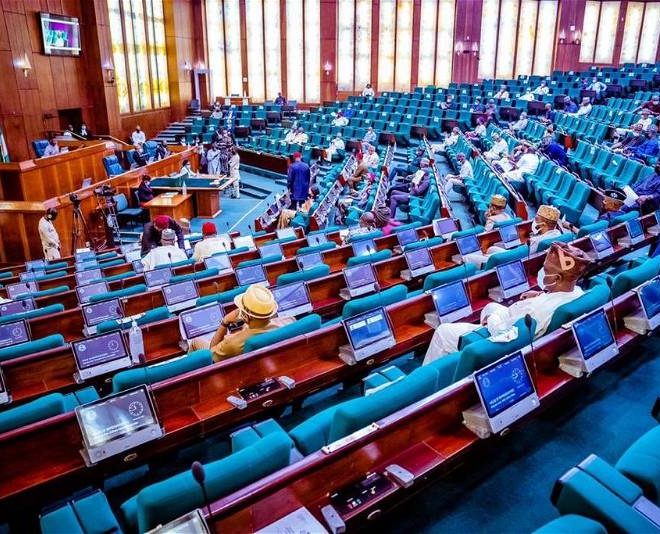
The House of Representatives recently decided to suspend the debate on the Tax Reforms Bills amid significant resistance from Northern lawmakers and governors. The postponement followed a directive from the leadership of the House, indicating a need for further consultations with stakeholders. Seventy-three lawmakers from the Northern region, including many from Kano and Borno states, expressed their disapproval of the proposed reforms, questioning the urgency of passing such bills. During a closed-door session, lawmakers voiced their concerns about the potential negative impacts on their constituents, particularly in light of the region’s pre-existing economic struggles exacerbated by violence and displacement.
The Tax Reform Bills, transmitted by President Bola Tinubu for legislative consideration, include several key components aimed at overhauling Nigeria’s fiscal framework. Formulated in response to a committee’s recommendations, the bills propose significant changes to tax administration and revenue collection agencies. Notably, they include a new blueprint for Value Added Tax (VAT) distribution, which has raised intense scrutiny and objections from Northern governors who argue that the changes could further disadvantage their states economically. Their opposition came to a head at a recent meeting, where they directed local representatives to reject the bills in parliamentary discussions.
Pressure from the Northern Governors Forum led to a prolonged dialogue among lawmakers, revealing a deep rift regarding the tax reforms. Lawmakers from states such as Borno, represented by Governor Babagana Zulum, have argued that the haste to enact the tax reforms overlooks serious regional inequalities. In a public statement, Zulum highlighted discrepancies, suggesting that only Lagos would primarily benefit from the new system while exacerbating the struggles faced by the Northern states and others. This tension escalated when he urged the President to consider the political support he received from the North during his election campaign, suggesting that alienating this base would be counterproductive.
Kano’s lawmakers echoed their governor’s sentiment by organizing consultations that affirmed their opposition to the bills during a caucus meeting. They emphasized solidarity in rejecting the proposed reforms as not representative of their constituents’ needs. Former Governor Aminu Tambuwal of Sokoto also criticized the timing and the substance of the reforms, underscoring that current conditions require governmental relief measures rather than increased taxation. The Governor and other lawmakers voiced their belief that now was an inopportune time for tax hikes given Nigeria’s struggling economic landscape, marked by soaring poverty levels.
Amidst this turmoil, some lawmakers from the All Progressives Congress (APC) seek to rally support for the bills, arguing that the reforms are designed to protect smaller businesses and citizens from higher tax burdens in the long run. Lawmakers like Philip Agbese maintain that broader engagement is vital to navigate the contentious aspects of the reforms and suggest that the proposed tax administration will ultimately improve fiscal equity. However, this internal lobbying finds challenges against a backdrop of fierce regional opposition and wary public sentiment.
In addition to the pushback from Northern lawmakers, several civic representatives, including the Coalition of Northern Groups, have formally released statements denouncing changes to taxation. They claim that without satisfactory data and public discourse, the VAT restructuring might entrench economic divides between the North and South, spurring potential unrest. Meanwhile, the Oyo State government expressed alignment with the National Economic Council’s cautionary stance on the reforms, advocating for additional consultations to understand the impacts thoroughly.
Contrastingly, some groups and entities, like Afenifere and the Middle Belt Forum, expressed support for the bills, acknowledging their potential for economic stimulation and a fairer revenue-sharing framework. They advocate for careful scrutiny of the reforms to ensure that they serve the nation equitably and foster developmental growth. In response to critics, the APC, through their spokesperson Senator Ajibola Basiru, defended the legislative process, emphasizing a collaborative governmental function where the President’s initiatives would require thorough vetting by the National Assembly before they could take effect. Former Vice President Atiku Abubakar reiterated the need for transparency and fairness in the fiscal policy review to address Nigeria’s regional disparities effectively.








