





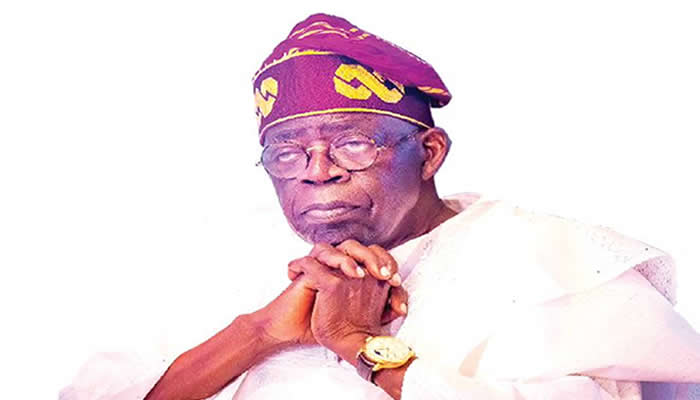
President Bola Tinubu reaffirmed his administration’s commitment to advancing the tax reform bills currently under consideration in the National Assembly, rejecting proposed recommendations from the National Economic Council (NEC) to withdraw these bills for further consultation. Instead of pulling them back, Tinubu emphasized that the legislative process itself provides a platform for dialogue and necessary modifications. His Special Adviser, Mr. Bayo Onanuga, expressed the President’s stance through a formal statement, urging that the bills should move through the legislative process while also welcoming continued input from stakeholders. This approach reflects a desire to maintain momentum in the legislative process while being open to necessary changes.
The NEC’s recommendation to withdraw the tax reform bills arose from concerns shared among several state governors regarding specific provisions within the proposals. Oyo State Governor Seyi Makinde, representing the NEC’s standpoint, noted that after extensive deliberations, the council concluded that consensus-building among stakeholders was essential. They expressed a desire for a deeper alignment on the tax reforms to foster broader acceptance. The NEC’s call to pause the legislative process was motivated by worries about the comfort level of various regions with the legislative contents, thereby advocating for a more inclusive dialogue before making any final decisions.
Tinubu’s insistence on not withdrawing the bills underscores the administration’s aim to restructure and modernize Nigeria’s tax framework significantly. The tax reform initiatives, which are a culmination of months of reviews by a committee led by Taiwo Oyedele, focus on restructuring the existing tax laws through four key executive bills. These proposals aim to overhaul the tax system, reduce the burden of multiple taxation, and render Nigeria’s economy more competitive. The reforms are designed to simplify tax compliance for both businesses and individuals, thereby promoting economic activity and improving national revenue generation.
Among the legislative proposals, the Nigeria Tax Bill aims to eliminate redundancy in taxation while enhancing competitiveness within the economy. Another significant bill, the Nigeria Tax Administration Bill, seeks to harmonize tax administration across various jurisdictions—federal, state, and local—thus enhancing taxpayer compliance. The establishment of a unified revenue service, encapsulated in the Nigeria Revenue Service (Establishment) Bill, is also a significant focus, as it renames the Federal Inland Revenue Service to better serve the entire federation rather than just the federal government. The Joint Revenue Board Establishment Bill further illustrates this intent by creating a consolidated revenue authority that fosters uniformity among tax authorities.
The NEC’s strategy for withdrawal came amid growing tension from the governors of 19 northern states, who expressed resistance to the proposed derivation-based model for distributing Value-Added Tax (VAT). This group argued that the suggested model could jeopardize the economic interests of the Northern region, raising concerns over potential job losses and broader economic ramifications. In response, the Presidency contended that fears of job losses are unfounded, stating that the tax reform initiatives are designed to be equitable and beneficial to all states while enhancing the efficiency of tax laws across Nigeria.
The Presidential response criticized the calls for more consultations as misinterpreted, indicating that consultations have extensively occurred over the last 14 months. It emphasized the reform bills’ primary goal of streamlining tax administration through the integration of various tax types governed by distinct laws. The proposed reforms aspire to consolidate these taxes to eliminate administrative complications that have historically plagued Nigeria’s tax framework. By moving towards a unified structure, the initiative seeks to address the confusion and inefficiency that has characterized tax administration in the country, thereby ultimately enhancing the overall economic landscape of Nigeria.








