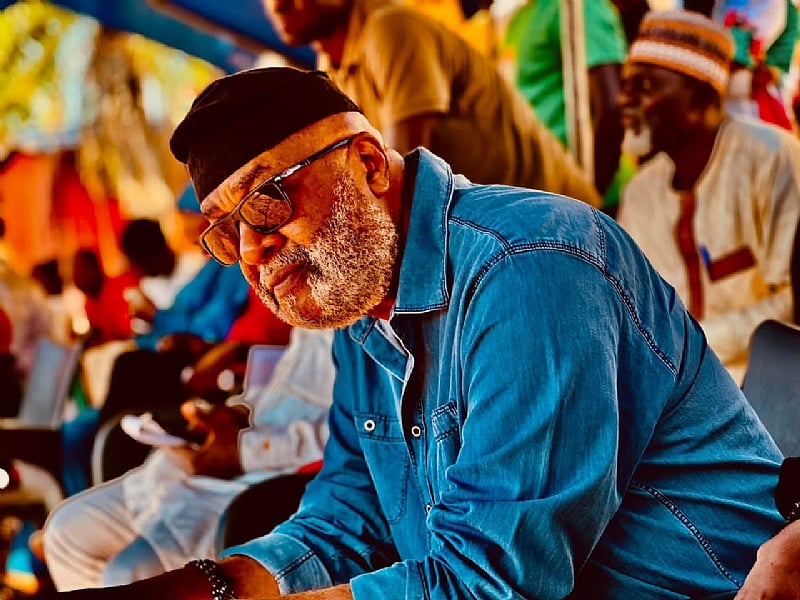
Ghana’s persistent power crisis, known as “Dumsor,” has resurfaced, casting a shadow over the nation’s socio-economic landscape. Characterized by frequent and protracted power outages, Dumsor disrupts businesses, hampers productivity, damages household appliances, and fuels widespread public frustration. As the Akufo-Addo administration prepares to hand over power to President-elect John Dramani Mahama on January 7, 2025, the escalating crisis has become a focal point of political discourse. Alhaji Said Sinare, National Chairman of the Zongo Caucus Working Committee of the National Democratic Congress (NDC), has publicly appealed to the outgoing government to declare a state of emergency to address the worsening situation.
Alhaji Sinare’s call for a state of emergency underscores the gravity of the Dumsor crisis. He argues that the current administration’s perceived inaction and attempts to downplay the severity of the power outages are a betrayal of public trust. The persistent blackouts have far-reaching consequences, impacting businesses, households, and the overall economy. The disruptions not only lead to lost productivity and damaged equipment but also erode public confidence in the government’s ability to manage essential services. Alhaji Sinare contends that declaring a state of emergency would demonstrate the government’s commitment to finding a lasting solution and provide the necessary framework for swift and decisive action.
A state of emergency, as advocated by Alhaji Sinare, would empower the government to mobilize resources, deploy expertise, and coordinate personnel to tackle the Dumsor crisis head-on. This concentrated effort would signal a departure from the perceived ad-hoc and inadequate measures that have characterized the government’s response thus far. By declaring a state of emergency, the outgoing administration would acknowledge the urgency of the situation and demonstrate its resolve to mitigate the impact of the power outages before transitioning power to the incoming Mahama administration.
The timing of this appeal is crucial, as the January 7, 2025, handover date rapidly approaches. Alhaji Sinare urges the Akufo-Addo administration to take ownership of the Dumsor crisis and implement decisive measures to alleviate the burden on citizens. He emphasizes that addressing the power crisis is not merely a technical challenge but a matter of public accountability. The government’s response, or lack thereof, will have a lasting impact on public perception and could significantly influence the political landscape.
The call for a state of emergency resonates with the widespread frustration felt by Ghanaians who have endured the debilitating effects of Dumsor for far too long. The power outages disrupt daily life, hinder economic activities, and undermine the nation’s development aspirations. The persistent blackouts represent a significant challenge to Ghana’s progress and impact the quality of life for all citizens. The urgency of the situation demands immediate and decisive action, and Alhaji Sinare’s appeal reflects the collective desire for a reliable and sustainable energy supply.
The Dumsor crisis is a complex issue with multifaceted implications. Addressing the root causes and implementing effective solutions will require a concerted effort from all stakeholders. While the outgoing administration has a responsibility to mitigate the immediate impact of the power outages, the incoming Mahama administration will inherit the challenge of finding long-term solutions. The declaration of a state of emergency, as advocated by Alhaji Sinare, could serve as a catalyst for mobilizing resources and expertise to address the crisis comprehensively and ultimately provide a stable and reliable power supply for the people of Ghana. The future of Ghana’s development and the well-being of its citizens depend on a swift and effective resolution to the persistent Dumsor crisis.