









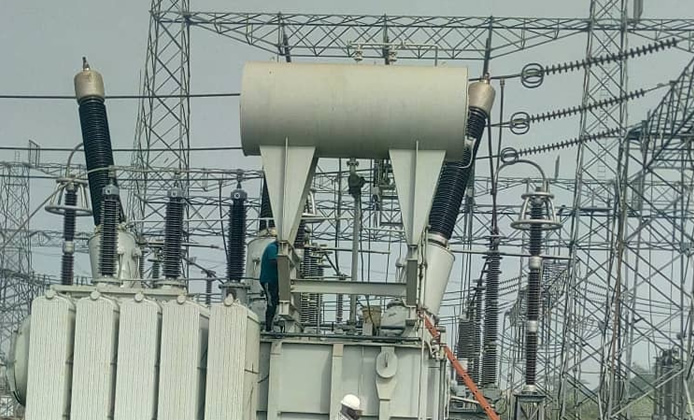
Residents in parts of Kano metropolis expressed relief as electricity supply was restored around 9:00 PM on Wednesday, following a prolonged total outage that lasted nearly three weeks. However, investigations reveal that many areas in Kano State still face power shortages, with only 40 megawatts allocated to the Kano Electricity Distribution Company (KEDCO) for distribution among Kano, Katsina, and Jigawa states. The limited power supply has raised concerns about the rationale behind the updates, with many residents suffering the consequences of extended blackouts, which have had detrimental impacts on their livelihoods, particularly for artisans and small businesses reliant on consistent electricity.
The three-week power outage has severely disrupted everyday life in Kano, resulting in a dual crisis marked by inadequate water supply and skyrocketing food prices. Many residents have resorted to purchasing sachet water due to irregular service from the state water board. With water producers shutting down operations as a direct result of the blackout, the cost of sachet and table water has soared. Water vendors have been hit hard, with some reporting a doubling of their prices for water delivery, placing more financial strain on the already struggling population. The price hike has been attributed to the increased costs of diesel and fuel needed for generators, as manufacturers seek to compensate for lost business days.
The economic fallout from the electricity disruption has been felt across various sectors, with small industries particularly hard hit. Many businesses supporting the local economy, such as tailoring, barbing, and food processing enterprises, have struggled to operate amid the power crisis. Several small-scale business owners, unable to afford the rising fuel costs for their generators, have been forced to cease operations. The ramifications of power outages not only hurt enterprises but also disadvantaged schools and hospitals dependent on reliable electricity; tragic reports surfaced of lives lost in medical facilities during this time.
The impact on agricultural processing was also considerably grim, with the Kano State Chairman of the All Farmers Association of Nigeria emphasizing how the blackout severely hindered rice milling and other processing industries. Many plants closed due to the inability to operate efficiently without consistent power, which ultimately led to increased food prices including essential staples like rice. The closure of these businesses illustrates the broader negative influence that power supply instability has on the overall economy, further exacerbating the challenges faced by local farmers and consumers.
In light of these challenges, urgent intervention from both the state and federal government has been called for, as local leaders seek solutions to restore the burning crisis within the northern states affected by power outages. Commendation has been given to President Bola Tinubu for promising to expedite the restoration efforts at a meeting with power sector officials, emphasizing the necessity of addressing the infrastructure problems contributing to the blackouts. Awareness has been raised around the governmental responsibilities to support not only the provision of power but also the protection of public resources from deliberate sabotage.
The Minister of Power, Adebayo Adelabu, has reiterated commitments to addressing the power shortages, assuring stakeholders during discussions with the National Assembly that restoration efforts would be prioritized. He indicated a timeline for full restoration of electricity, hinting that the affected regions would not endure extended periods of darkness without defined timelines. While the recent restoration of electricity brings a glimmer of hope for some, it remains essential for comprehensive strategies and solutions to be fronted, ensuring all residents benefit from consistent power supply, which is crucial for everyday life and economic stability in Kano.









