









Farmers in Morocco are facing substantial challenges due to climate change, characterized by extreme droughts and soaring temperatures affecting agricultural productivity. In response to these conditions, the High Atlas Foundation (HAF) has implemented long-term projects centered around organic fruit and nut tree agriculture. These initiatives aim not only to adapt to the adverse climate but also to empower farming families by enabling them to cultivate, harvest, process, and sell endemic products that resonate with their local environment. The results of HAF’s sustainable agriculture program have been strikingly successful, particularly over the past year, as the foundation emphasizes a community-driven approach to managing development. This strategy underscores the importance of farmers’ involvement in shaping agriculture that meets their unique needs, fostering resilience and self-sufficiency in their practices.
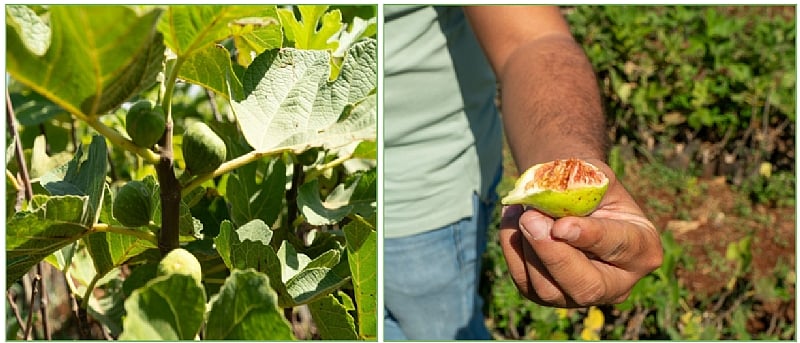
In 2024, HAF actively supported farming families in planting a remarkable 1,040,183 trees across 10 of Morocco’s 12 regions. In addition to this, over 3.2 million seeds were sown in community nurseries facilitated by HAF, aimed at meeting the livelihood aspirations of farmers and enhancing agricultural diversity. The variety of trees reflects the preferences of Moroccan farmers, with a focus on drought-resistant species, including olive, almond, argan, carob, cherry, fig, grape, mulberry, pomegranate, and walnut. This year’s initiatives have directly benefited 2,479 farming families, equipping them with resources that encourage sustainable agricultural practices. HAF’s participatory approach continues to advance, allowing farmers to drive the direction of their agricultural futures in alignment with their specific circumstances and goals.
The positive impact of HAF’s initiatives is evident through testimony from various farmers. For instance, one farmer from Larache province expressed his appreciation for the high-quality olive trees he received, contrasting them with inferior seedlings he had purchased previously. Likewise, another farmer from Kahf-n-Sour highlighted the transformative quality of HAF’s seeds compared to what he had used before, emphasizing the strength and resilience of the new seedlings. Such quality improvements not only increase the farmers’ productivity but also enhance their confidence in sustainable practices. Farmers in Taroudant province found tremendous success after shifting their crop focus from high-water-demanding species like oranges and melons to more drought-resistant tree varieties, resulting in increased harvests and reduced water usage.
Moreover, the benefits extend beyond the farmers directly receiving the trees. Individuals involved in the maintenance of nurseries also experience positive impacts. Take, for example, Mohammed El Assri, a caretaker at the Ouaouizeght nursery in the Beni-Mellal Khenifra region. Since joining HAF in 2020, he has seen the nursery evolve from modest production to distributing over 100,000 trees annually. With the addition of modern equipment and facilities, including greenhouses and solar-powered water systems, the nursery has gained local recognition as a leading source of trees for nearby villages. Mohammed’s experience illustrates the critical role of teamwork and community support in successfully implementing sustainable agricultural practices and fostering a greener environment.
Looking ahead, HAF aims to build on its achievements by expanding its reach and collaborating with more farming communities throughout Morocco. The planting of over one million trees and several million seeds within the past year marks a significant milestone, yet HAF is committed to further increasing these numbers. Plans are already in place for the 2025 season, which includes an ambitious target of planting five million seeds in nurseries nationwide. This momentum is vital as HAF seeks to enhance sustainable agriculture and provide additional livelihood opportunities for rural families.
Furthermore, HAF has implemented an innovative system for monitoring tree growth that has received international certification. This certification enables the generation of carbon offset credit units, presenting a new revenue stream for Moroccan farming families. By creating opportunities for local farmers alongside external participants interested in supporting reforestation initiatives, HAF is paving the way for sustainable development in agriculture across Morocco. Ultimately, these efforts contribute to building resilient farming communities, ensuring their livelihoods are safeguarded against the adverse impacts of climate change while promoting environmental stewardship.









