





Paragraph 1: Presidential Arrival in Lagos for Holiday Season
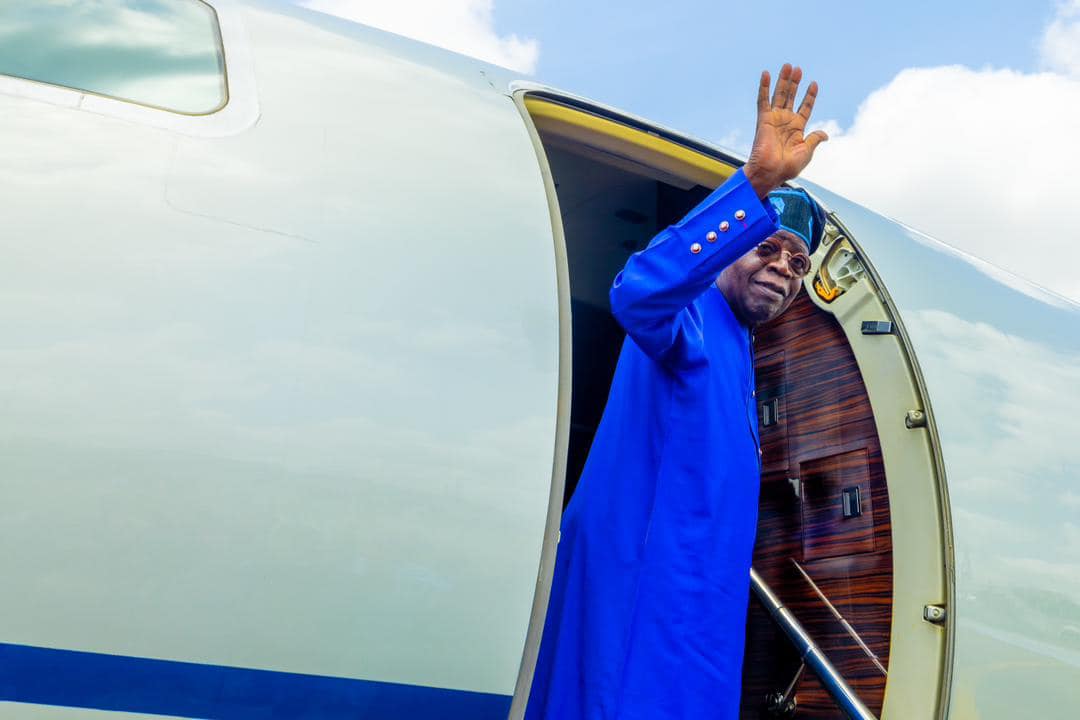
President Bola Tinubu touched down in Lagos State on Wednesday, December 20th, 2023, to commence his Christmas and New Year holiday celebrations. Arriving at the Presidential Wing of the Murtala Mohammed International Airport at precisely 3:23 pm, he was greeted by a welcoming party led by Lagos State Governor Babajide Sanwo-Olu, Deputy Governor Obafemi Hamzat, and members of the state cabinet. This marked the President’s return to his home state for the festive season, providing a respite from the demanding responsibilities of his office.
Paragraph 2: Presidential Presentation of the 2025 Appropriation Bill
Prior to his departure from the nation’s capital, Abuja, President Tinubu fulfilled a crucial constitutional duty by presenting the 2025 Appropriation Bill to a joint session of the National Assembly. The proposed budget, totaling a substantial N47.9 trillion, outlines the government’s planned expenditures and revenue projections for the upcoming fiscal year. This presentation is a pivotal step in the budget approval process, allowing lawmakers to scrutinize and debate the government’s financial plan before its eventual passage into law.
Paragraph 3: Significance of the Presidential Visit to Lagos
President Tinubu’s visit to Lagos holds multifaceted significance. Beyond the personal aspect of spending the holidays in his home state, it carries political and symbolic weight. Lagos, being Nigeria’s commercial nerve center and a pivotal state in the nation’s political landscape, provides a strategic platform for the President to engage with key stakeholders, reinforce his connection with the populace, and potentially address pressing issues facing the state.
Paragraph 4: Focus on the 2025 Budget Proposal
The 2025 budget proposal, presented by President Tinubu, assumes paramount importance in shaping the nation’s economic trajectory for the coming year. The N47.9 trillion spending plan encompasses various sectors, including infrastructure development, education, healthcare, and security. It reflects the government’s priorities and its commitment to addressing critical challenges while promoting economic growth and stability.
Paragraph 5: The Role of the National Assembly in the Budget Process
Following the President’s presentation, the National Assembly assumes the responsibility of meticulously reviewing the budget proposal. This process involves detailed scrutiny by relevant committees, public hearings to gather input from stakeholders, and robust debates on the floor of both chambers. The legislature’s role is crucial in ensuring transparency, accountability, and the judicious allocation of resources to meet national needs.
Paragraph 6: Anticipation and Expectations Surrounding the Budget
The 2025 budget is eagerly anticipated by Nigerians across all walks of life. Citizens, businesses, and investors keenly await its passage and subsequent implementation, as it will significantly influence their economic prospects. The budget’s success will be judged on its ability to stimulate economic growth, create employment opportunities, improve living standards, and address pressing national challenges. The government faces the crucial task of effectively managing resources and implementing programs to deliver tangible benefits to the citizenry.








