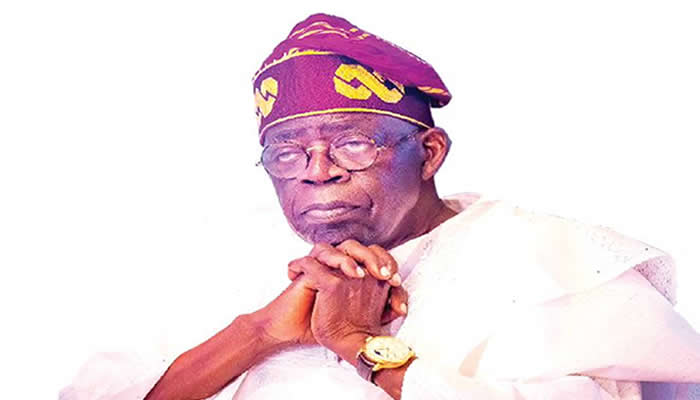
In a climate of palpable economic hardship, the Nigerian government under President Bola Tinubu stands at a crossroads, grappling with the dual demands of implementing pivotal long-term reforms while addressing the immediate suffering of its citizens. Drawing an analogy to a surgeon performing a critical operation with inadequate skills, many citizens liken their experiences under the government’s policies to that of a patient undergoing a painful and ultimately questionable procedure. Since taking office in May 2023, Tinubu’s administration has advocated for significant economic changes, such as the removal of fuel subsidies and deregulation of the foreign exchange market. However, the anticipated ease these reforms would provide has not materialized, as the cost of living in Nigeria continues to skyrocket, exacerbating frustrations and prompting inquiries into the government’s methodology and intentions.
The promise of economic recovery marked the onset of the Tinubu administration, with the president committing to a consultative governance approach, focused on healing the nation’s ills rather than exacerbating them. Yet, despite this rhetoric, the subsequent 16 months have tested the patience and resilience of the Nigerian populace. The removal of the fuel subsidy led to dramatic increases in fuel prices and, with it, spiraling inflation rates that have rendered everyday commodities increasingly unaffordable. By the end of 2023, average inflation reached a distressing 28.92 percent, with prices of staple foods and essential goods undergoing astonishing surges; for instance, the price of brown beans soared by over 262 percent within a year. The situation necessitated that the government act swiftly to protect vulnerable populations, but the efficacy of these measures remains in doubt, leaving many feeling betrayed in the face of hollow promises.
Compounding the economic turmoil is Nigeria’s precarious debt situation, exacerbated by declining oil revenues and a depreciating naira. While the Gross Domestic Product remains relatively stable at around $472 billion according to World Bank assessments, the national debt is ballooning to an ominous ₦127 trillion. This financial instability has constrained the government’s ability to invest in vital infrastructure and developmental projects, pushing the administration to increasingly depend on borrowing. The rising interest rates, now at 26.75 percent, and the climb in unemployment figures only add to the dire circumstances. The security situation, particularly in the North-West and North-Central regions of Nigeria, further complicates matters, as worsening banditry and kidnappings plague these areas, instigating a food crisis and calling into question the government’s efficacy in maintaining order and stability.
In defense of the austere economic policies, Vice President Kashim Shettima has articulated the necessity of painful reforms in response to Nigeria’s dire economic predicament. This rationale suggests that the government views such measures as critical steps to ensure long-term stability. However, economic analysts like Dr. Ayo Teriba challenge this perspective, arguing that a pre-emptive build-up of foreign reserves prior to floating the naira could have mitigated the current monetary instability. Without addressing the underlying issues concerning the exchange rate and its impact on prices, the government’s objectives may remain unattainable. The hesitation to adequately tackle the fuel subsidy issue, which is closely related to the unstable exchange rate, raises concerns over the longevity and sustainability of the current regime’s economic policies.
Further complicating the matter are public demands for immediate relief, which the government has so far been reluctant or unable to address effectively. Stakeholders like Chief Peter Ameh urge the administration to create transparent and accountable relief programs instead of waiting for the benefits of long-term reforms to materialize. The past failures of relief initiatives have shown that mere intentions are insufficient; without proper administrative frameworks to implement these strategies effectively, any attempts at reform can become mired in corruption and inefficiency. It is crucial for the government to balance its reform ambitions with the immediate needs of its citizens, striving for people-centered policies that offer timely assistance while fostering economic sustainability.
Professors such as Uche Uwaleke have advocated revising governmental priorities to focus on food security as a means of alleviating rising costs while pursuing ongoing reforms. Addressing local insecurity through community policing and enhancing agricultural inputs can help stabilize food prices and ensure access to crucial resources. Moreover, the government must engage with state and local bodies to foster a synergistic approach that is responsive to the immediate concerns of its constituents. Such adaptability and responsiveness stand as prerequisites for alleviating the challenges that have emerged as a result of the current economic policies.
As Nigeria grapples with the confluence of its economic dilemmas and societal demands, observers express varying perspectives on the duration of time the current administration should be afforded to produce results. Some, like Mamman Mike Osumah, urge patience and highlight the limitations of public dissent in the face of newly elected governance. Nonetheless, the pressure for tangible improvements grows, compelling the Tinubu administration to address the immediate needs of citizens while remaining steadfast in implementing a roadmap for long-term success. Ultimately, the efficacy of these policies will be scrutinized closely, and the government’s ability to navigate the delicate balance between reform and relief will determine not just the stability of the economy but the very fabric of Nigerian society as well.