





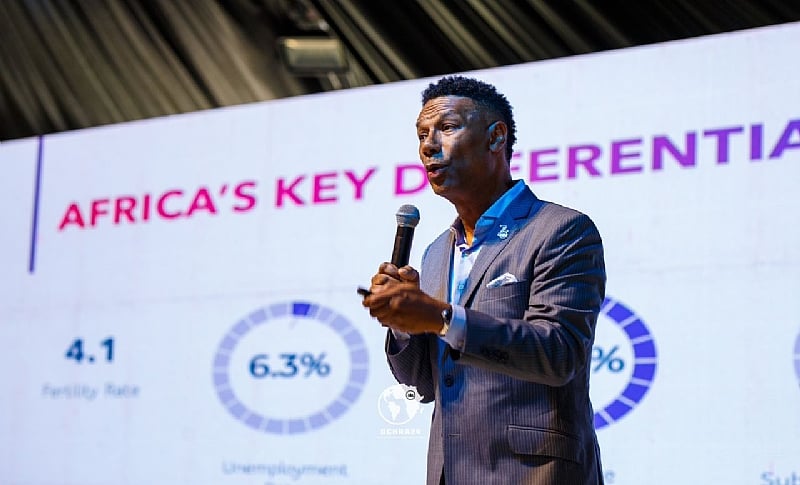
At the inaugural Global Conference on Human Resources in Africa (GCHRA), held at the Labadi Beach Hotel in Accra, Johnny C. Taylor Jr., President and CEO of the Society for Human Resource Management (SHRM), made a compelling case for integrating Artificial Intelligence (AI) into Human Resources (HR) management. Emphasizing the critical role of leadership at the corporate level, Taylor called for organizations to embrace AI not merely as a technological enhancement but as a cultural transformation that must be championed from the highest echelons of the organization. He articulated that AI’s integration should originate from senior leadership, such as CEOs and board members, creating a trickle-down effect that fosters a culture of innovation and responsiveness across all employee levels. This method of implementation is vital for AI initiatives to gain traction and be effectively embedded within the organizational framework.
Taylor underscored that AI adoption should not be relegated to an HR initiative. Instead, it should be viewed as an organizational imperative. By framing AI as a cultural evolution, he argues that it becomes imperative for leaders to engage in dialogue regarding the implications of AI within their companies. Taylor’s remarks are particularly salient in a global context where the workforce is rapidly transforming, and organizations must be at the forefront of these changes to remain competitive. His call to action serves as a crucial reminder that successful AI integration is a collaborative effort that necessitates buy-in from upper management and a shared vision across all departments.
In conjunction with Taylor’s insights, Dr. Francis Eduku, CEO of the Chartered Institute of Human Resource Management (CIHRM), reinforced the importance of understanding and utilizing AI within organizations. He encouraged HR practitioners to familiarize themselves with AI technologies and to proactively prepare for the shifts these innovations will bring to workforce management. Dr. Eduku emphasized the inevitability of AI playing a significant role in future HR practices and alluded to its dual nature—as a tool that could indeed replace some jobs while simultaneously requiring new skills from the existing workforce. His directive to prepare and upskill employees underscores the necessity for organizations to engage in continuous training and development, thereby ensuring that they can navigate the evolving landscape of HR effectively.
The GCHRA also featured contributions from other notable speakers, including David Ssegawa, Group HR Director at Equity Bank Limited, and Dr. Najat El Mahdy, Director of HR at Qatar Financial Centre Regulation Authority. Their perspectives enrich the discourse around the intersection of AI and HR technologies, highlighting diverse global experiences and approaches to people management in the context of rapidly advancing technology. Day two of the conference promises further engagement through events such as the Business Executives and HR Roundtable (BEHRR) and the Women in HR Technology (WiHRT) session, focusing on practical applications and strategic insights into AI in HR settings.
With the overarching theme of “A Global Discourse on Exploring the Emergence and Dynamics of Artificial Intelligence (AI) and Human Resource Technologies in Africa,” the GCHRA serves as a vital platform for discussions that transcend geographical boundaries. By addressing the implications of AI in HR within the African context, participants are encouraged to explore how these technologies can be harnessed to drive growth and innovation. The emphasis is on building a proactive community of leaders who can effectively navigate the challenges and opportunities presented by AI, ultimately shaping the future of workforce management on the continent.
Overall, the conference represents a significant step towards fostering an environment where AI and human resources can coexist and collaboratively evolve. The insights shared by Taylor, Dr. Eduku, and other industry leaders set the stage for a transformative journey in HR practices, urging stakeholders at all levels to prioritize AI as a critical component of their strategic vision. By leading from the top and encouraging workforce engagement, organizations can better position themselves to adapt to the ongoing revolution in how work gets done—ensuring sustainability and success in a technology-driven future.








