









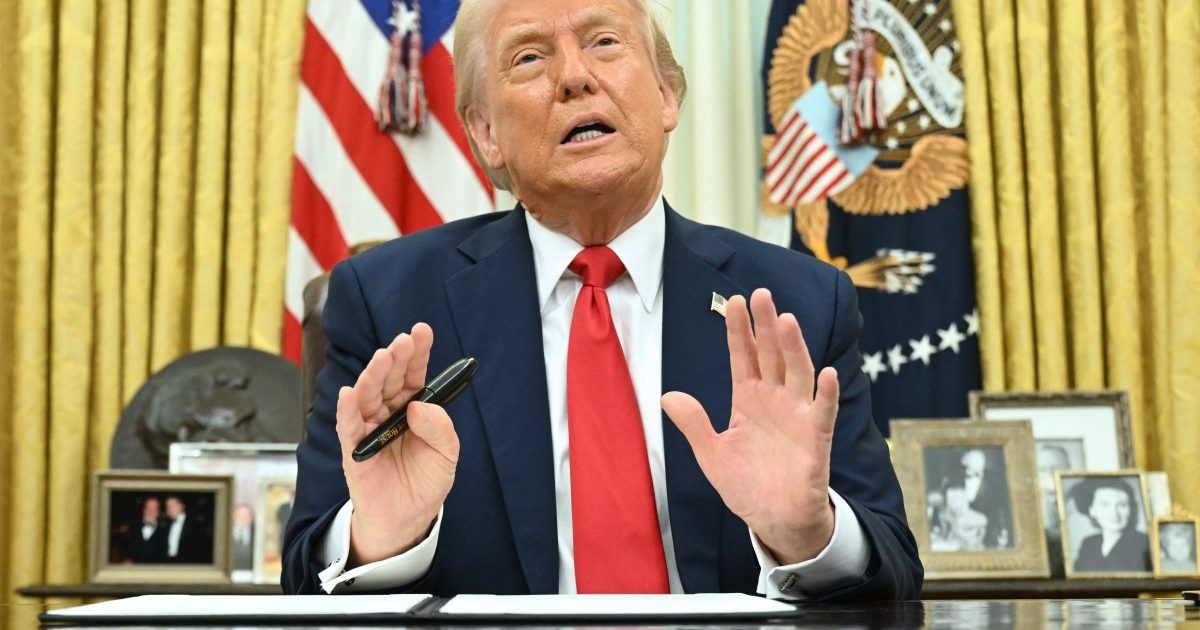
The fate of TikTok in the United States took another turn as former President Donald Trump granted a 75-day extension to the popular social media app, delaying a looming ban that was set to take effect on April 5, 2024. Trump, announcing the decision on his social media platform, Truth Social, framed the extension as a strategic move to finalize a deal that would address national security concerns surrounding TikTok’s Chinese ownership. He emphasized his administration’s commitment to saving the platform, highlighting the “tremendous progress” made in negotiations while acknowledging the need for additional time to secure all necessary approvals. The executive order effectively pushed back the deadline, providing a temporary reprieve for TikTok and its users in the US.
This reprieve marked another chapter in the ongoing saga of TikTok’s struggle to operate within the US market. The initial ban, deferred upon Trump’s return to office in January 2024, had been steadily approaching its April deadline. The underlying concerns stemmed from TikTok’s parent company, ByteDance, being based in China, prompting fears of potential data security breaches and influence from the Chinese government. Bipartisan legislation passed in 2024 further intensified the pressure on ByteDance, mandating the separation of TikTok’s US operations from Chinese ownership. The 75-day extension granted by Trump offered a window of opportunity for the parties involved to negotiate a deal that would satisfy US national security concerns while allowing TikTok to continue operating in the country.
Trump’s announcement intertwined the TikTok issue with broader US-China relations, particularly focusing on trade disputes. He pointedly mentioned his reciprocal tariffs against China, suggesting that they were a source of contention between the two nations. Despite this, he expressed hope for continuing negotiations in good faith, emphasizing the importance of resolving the TikTok situation without resorting to a complete ban. He explicitly stated his desire to prevent TikTok from “going dark” in the US, indicating a preference for a solution that preserves the platform’s accessibility to American users.
This extension provided a crucial period for ByteDance to finalize a deal that would appease US regulators and lawmakers. The company faced the complex task of navigating geopolitical tensions while simultaneously ensuring the continued viability of its US operations. The success of the negotiations hinged on finding a balance between addressing national security concerns and preserving TikTok’s functionality and user base. Failure to reach an agreement within the 75-day timeframe could have resulted in the reimposition of the ban, potentially leading to the app’s disappearance from the US market.
The situation highlighted the intricate interplay between technology, national security, and international relations. The US government’s concerns regarding TikTok stemmed from the potential for data breaches and the perceived influence of the Chinese government over the platform. The bipartisan legislation mandating the separation of TikTok’s US operations reflected a growing consensus within the US political landscape about the need to address these concerns. The 75-day extension underscored the complexity of finding a solution that satisfies all parties involved.
The future of TikTok in the US remained uncertain even with the extension. The success of the ongoing negotiations, the potential for a finalized deal, and the ultimate impact on the app’s availability to American users were all contingent on the evolving dynamics between the US and China. The 75-day period represented a critical juncture, offering both an opportunity and a challenge for TikTok and its parent company to navigate the complex web of geopolitical and economic factors shaping the future of the platform in the United States. The ultimate outcome would significantly affect the landscape of social media and the relationship between the two global powers.









