









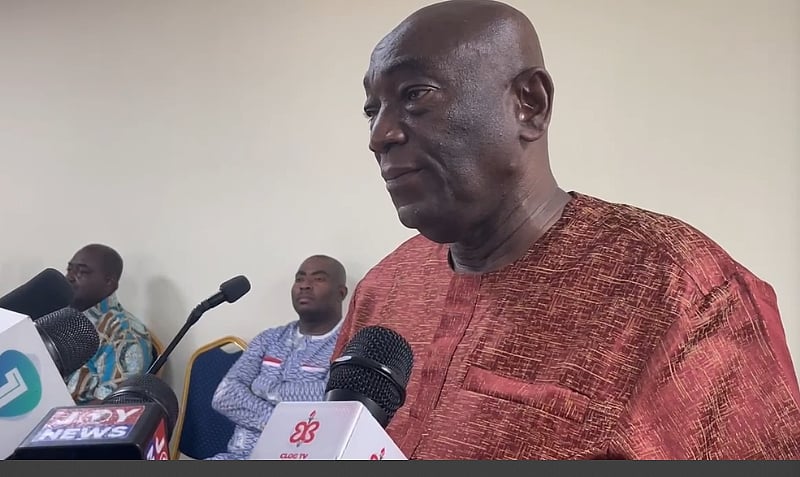
The Trades Union Congress (TUC) of Ghana has vehemently denounced the widespread termination of public sector appointments made after December 7, 2024, following a directive from Chief of Staff Julius Debrah. This directive, issued on February 10, 2025, mandated all heads of government institutions to nullify appointments and recruitments made after the specified date, citing non-compliance with good governance practices. The TUC argues that this action is not only unjust but also poses a significant threat to the nation’s social and economic stability. The impact is particularly devastating for young professionals, such as teachers and nurses, who have invested considerable time and resources in their education and endured prolonged periods of unemployment before securing these positions. The TUC’s plea to President John Dramani Mahama is to rescind the directive and prevent further damage to the affected individuals and the nation’s future.
The TUC’s statement highlights the deeply troubling consequences of the mass terminations. Many of those affected are young individuals entering the workforce for the first time, facing the devastating reality of losing their livelihoods after enduring rigorous recruitment processes and years of waiting for employment opportunities. The financial and emotional toll on these individuals and their families is immense, considering the significant investments made in their education. Moreover, the TUC warns that this action undermines the democratic principles of fairness and due process, potentially eroding the trust and patriotism of young citizens. The arbitrary nature of the terminations, extending even to those whose contract positions were regularized in December 2024, further exacerbates the injustice and raises concerns about the potential for abuse within the system.
The TUC’s argument centers on the hypocrisy surrounding the issue of “midnight appointments,” a recurring political practice in Ghana, alternating between the National Democratic Congress (NDC) and the New Patriotic Party (NPP). The TUC points to the inconsistency in the NPP’s current stance, referencing their strong condemnation of similar actions by former President Mahama in 2016. Following the 2016 elections, President Mahama made several appointments, including Commissioners for the Commission on Human Rights and Administrative Justice (CHRAJ) and the National Commission for Civic Education (NCCE), as well as a new Auditor General. These actions were met with fierce criticism from the NPP, who deemed them inappropriate and a demonstration of bad faith. The TUC contends that the NPP’s current actions mirror those they previously denounced, highlighting the partisan nature of the issue and the lack of genuine commitment to good governance principles.
The TUC directly implores President Mahama to intervene and halt the ongoing terminations, advocating for a more compassionate and equitable approach. They draw a parallel with the amnesty granted by President Mahama to individuals recruited by the previous administration for security agencies, urging him to extend the same clemency to those affected by the current directive. The TUC believes that such a gesture would not only mitigate the immediate damage caused by the terminations but also serve as a significant step towards fostering greater political stability and reconciliation in Ghana. By demonstrating a commitment to fairness and inclusivity, the President could set a powerful precedent, rebuilding trust and rekindling the patriotism of young citizens who have been unjustly affected by the politically charged decisions surrounding public sector appointments.
The TUC emphasizes the long-term repercussions of these terminations, extending beyond the individual hardship inflicted upon the affected individuals. The abrupt dismissal of qualified professionals, particularly in crucial sectors such as education and healthcare, can have detrimental effects on service delivery and overall national development. Furthermore, the TUC argues that this type of political maneuvering erodes public trust in the government and weakens democratic institutions. By perpetuating a cycle of partisan retribution, both the NDC and NPP contribute to a climate of instability and undermine the principles of fairness and meritocracy that are essential for a thriving democracy.
In conclusion, the TUC’s urgent appeal to President Mahama represents a plea for fairness, stability, and a departure from the damaging cycle of partisan politics surrounding public sector appointments in Ghana. The mass terminations not only inflict immediate hardship on individuals and their families but also pose a long-term threat to the nation’s social fabric and democratic values. By rescinding the directive and granting amnesty to the affected individuals, President Mahama has an opportunity to demonstrate leadership, promote reconciliation, and set a new course for a more just and equitable future. The TUC’s call for a political settlement represents a crucial opportunity for Ghana to move beyond the divisive politics of the past and embrace a future built on principles of inclusivity, fairness, and good governance.









