





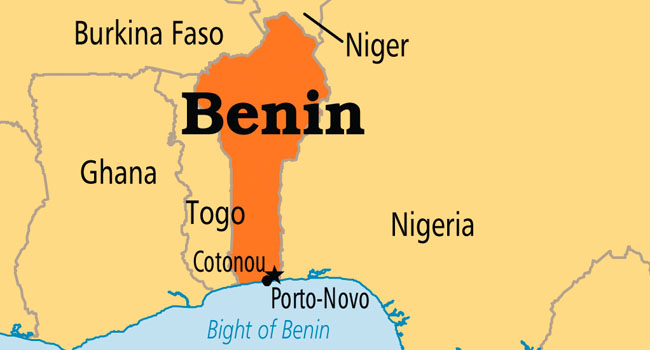
The escalating threat of jihadist violence in northern Benin reached a grim milestone on Wednesday evening with a devastating attack that claimed the lives of 28 soldiers. This incident, confirmed by a high-ranking security source, underscores the growing spillover of extremist activity from neighboring Burkina Faso and Niger, where jihadist groups linked to Al-Qaeda and the Islamic State have established strongholds. The attack occurred near the border with these volatile nations, highlighting the vulnerability of Benin’s northern frontier. In the aftermath of the assault, Beninese forces launched a counter-offensive, neutralizing 40 assailants in a continuing “clean-up” operation. This latest incident marks a significant escalation in the frequency and intensity of such attacks in the region.
Benin’s northern border with Burkina Faso has become a particularly volatile flashpoint, witnessing a surge in attacks targeting security forces and civilian populations. In December 2024, three soldiers were killed and four injured while guarding an oil pipeline in the northeast, demonstrating the jihadists’ growing capacity to disrupt critical infrastructure. Just months earlier, in June, seven Beninese troops lost their lives in an attack within the Pendjari National Park, a UNESCO World Heritage site situated on the border with Burkina Faso. These incidents, coupled with numerous other unreported assaults, paint a stark picture of the security challenges facing Benin. The Beninese government, traditionally reticent about acknowledging security breaches, has increasingly recognized the gravity of the situation. In April 2023, authorities reported approximately 20 cross-border incursions since 2021, a testament to the growing threat posed by extremist groups.
The escalating violence in Benin reflects a broader regional trend of instability, particularly the deteriorating security situations in Burkina Faso and Niger. A diplomatic source emphasized the direct correlation between the instability in these neighboring countries and the challenges faced by Benin, stating that the worsening conditions in Burkina Faso and Niger inevitably exacerbate the threat to Benin. This observation underscores the interconnected nature of security in the Sahel region, where porous borders and the transnational nature of jihadist groups facilitate the spread of violence. The source further highlighted the nascent state of Benin’s armed forces, which are still “under construction” and face the daunting task of simultaneously training personnel and engaging in active operations. Despite these challenges, the source maintained that the Beninese army is achieving successes against the jihadists, albeit often unpublicized to avoid revealing tactical strategies and fueling public anxiety.
Benin has taken proactive steps to bolster its defenses against the growing jihadist threat. In January 2022, Operation Mirador was launched, deploying nearly 3,000 troops to secure the nation’s borders. This initiative was further reinforced by the recruitment of an additional 5,000 personnel specifically tasked with enhancing security in the northern regions. Recognizing the need for external support, Benin has also sought assistance from international partners. The United States, in November 2024, provided $6.6 million worth of armored vehicles and defense equipment, a gesture lauded by Beninese Defence Minister Fortunet Alain Nouatin as a “valuable support.” Furthermore, the European Union pledged €47 million ($49 million) in anti-terror funding earlier in the year, underscoring the international community’s growing commitment to assisting Benin in its fight against terrorism.
The challenges faced by Benin are not unique within the region. Neighboring countries Ghana and Togo have also witnessed a surge in jihadist attacks in recent years, highlighting the expanding reach of extremist groups. A diplomatic source revealed that between 2021 and December 2024, 121 Beninese military personnel were killed in action, a grim statistic that underscores the human cost of the escalating conflict. The source further emphasized the Beninese army’s successes in neutralizing terrorists, although these achievements are often kept out of the public eye to avoid revealing operational details and exacerbating public anxiety. This delicate balance between operational secrecy and public awareness reflects the complex dynamics of counter-terrorism efforts in the region.
The escalating violence in northern Benin underscores the complex and interconnected nature of security challenges in the Sahel region. The spillover effects from neighboring countries, coupled with the evolving tactics of jihadist groups, necessitate a comprehensive and sustained response. Benin’s efforts to strengthen its security forces, combined with international support, are crucial steps in countering this threat. However, the evolving nature of the conflict requires continuous adaptation and collaboration to effectively address the root causes of instability and prevent further escalation of violence in the region. The international community’s continued support and engagement are vital in bolstering Benin’s capacity to confront this growing threat and secure its borders.








