





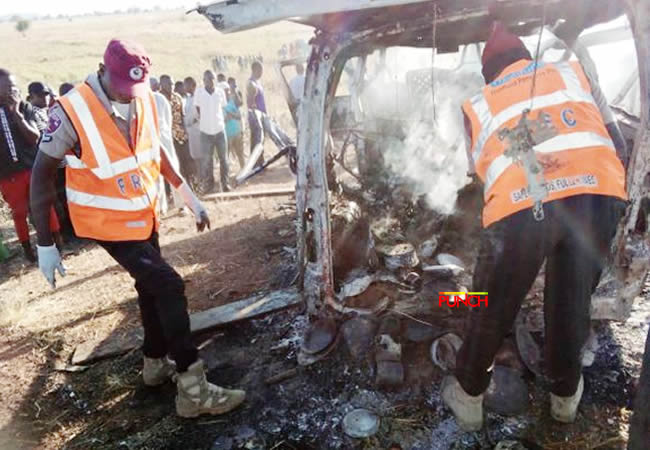
The devastating road accident at the Muhammadu Buhari Interchange Flyover in Hotoro, Kano, on a Friday claimed the lives of at least 23 individuals, casting a somber pall over the community. The Federal Road Safety Corps (FRSC), Kano Sector Command, confirmed the tragic toll and initiated an immediate investigation into the circumstances surrounding the catastrophe. Preliminary reports suggest a horrifying scenario: a DAF trailer laden with goods, inexplicably carrying 71 passengers, lost control due to excessive speed. The sheer number of passengers crammed into the trailer, far exceeding its intended capacity, undoubtedly exacerbated the consequences of the crash. This reckless disregard for safety regulations transformed a preventable accident into a mass casualty event. The impact of the collision resulted in widespread carnage and suffering, leaving a scene of devastation in its wake.
The FRSC, upon receiving the distress call, swiftly mobilized a rescue team to the site of the accident. Working in conjunction with the Nigeria Police Force, the rescue personnel embarked on a desperate effort to extricate victims from the wreckage and provide immediate medical assistance. The chaotic scene demanded a coordinated response, with rescuers racing against time to save lives amidst the mangled metal and debris. Simultaneously, efforts were made to restore order to the disrupted traffic flow, a challenging task given the scale of the accident. The injured, many suffering from severe injuries, were rushed to Murtala Muhammed Specialist Hospital in Kano, where medical teams worked tirelessly to provide critical care. The sheer number of casualties placed an immense strain on the hospital’s resources.
The Sector Commander of the FRSC Kano Sector Command, recognizing the gravity of the situation, immediately dispatched an investigative team to delve into the root causes of the accident. This in-depth inquiry aims to determine the sequence of events leading to the tragic loss of life and identify any contributing factors beyond speeding. The investigation will likely examine the road conditions, the mechanical state of the trailer, and the driver’s actions leading up to the crash. A crucial aspect of the investigation will undoubtedly focus on the blatant overloading of the trailer. Understanding how such a dangerous situation arose, with so many passengers crammed into a vehicle clearly not designed for human transport, is critical to preventing similar tragedies in the future.
The accident underscores the urgent need for stricter enforcement of traffic regulations, particularly those related to speeding and vehicle capacity. Overloading vehicles, especially heavy goods vehicles, poses a significant safety risk, impacting both vehicle handling and the potential severity of accidents. The tragic consequences of this incident serve as a stark reminder of the importance of adhering to safety standards. Furthermore, the investigation should shed light on whether there were systemic failures that contributed to the accident, such as inadequate vehicle inspections or lax enforcement of passenger limits. Addressing these underlying issues is essential to preventing future tragedies.
Beyond government regulation, public awareness campaigns play a crucial role in promoting road safety. Educating drivers and passengers alike about the dangers of speeding and overloading can lead to behavioral changes that reduce the risk of accidents. Emphasizing responsible driving practices and the importance of adhering to safety regulations can create a culture of safety on the roads. Such campaigns should also target vehicle owners and operators, highlighting their responsibility to ensure the safety and roadworthiness of their vehicles.
The Kano road accident serves as a tragic reminder of the fragility of life and the devastating consequences of reckless driving. The loss of 23 lives is a profound tragedy that has deeply impacted the community. While investigations will provide a clearer picture of the events leading to the crash, the incident highlights the critical need for a multi-faceted approach to road safety. This includes stricter enforcement of traffic regulations, thorough vehicle inspections, public awareness campaigns, and ongoing efforts to improve road infrastructure. Only through a concerted effort can we hope to prevent such devastating accidents from occurring again.








