





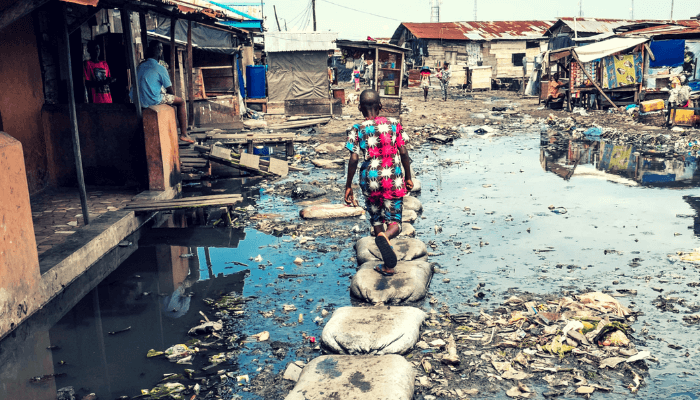
Nigeria’s Federal Government has reinforced its commitment to collaborate with the United Nations in a concerted effort to alleviate poverty and improve the lives of millions of Nigerians. This renewed pledge underscores the government’s recognition of the UN as a crucial partner in achieving sustainable development goals and addressing the multifaceted challenges facing the nation. Professor Nantawe Yilwatda, the Minister of Humanitarian Affairs and Poverty Reduction, emphasized the importance of this partnership following a meeting with Amina Mohammed, the UN Deputy Secretary-General. This collaboration aims to leverage the UN’s expertise and resources to bolster the government’s Renewed Hope Agenda, focusing on critical areas such as youth unemployment, poverty reduction, and support for victims of conflict and climate change.
The partnership between the Federal Government and the UN represents a strategic alliance aimed at tackling the complex web of challenges that contribute to poverty and instability in Nigeria. The government recognizes the UN’s long-standing support in implementing various social intervention programs and seeks to further strengthen this collaboration to achieve more impactful and sustainable outcomes. By working together, the government and the UN aim to provide durable solutions to the plight of vulnerable populations, ensuring that assistance goes beyond immediate relief to address the root causes of poverty and build resilience within communities. This approach involves empowering individuals and communities to become self-reliant and creating an enabling environment for sustainable development.
The Renewed Hope Agenda, a cornerstone of the government’s poverty reduction strategy, seeks to address the multifaceted dimensions of poverty by focusing on key areas such as job creation, social safety nets, and support for vulnerable groups. The government has set an ambitious target of creating at least two million jobs by the end of 2025, demonstrating its commitment to addressing youth unemployment, a major driver of poverty. Furthermore, the government’s commitment to providing substantial funding for safety net programs, as evidenced in the proposed 2025 budget, underscores its dedication to protecting the most vulnerable segments of society. This comprehensive approach, combining job creation with social protection measures, aims to create a pathway out of poverty for millions of Nigerians.
The Ministry of Humanitarian Affairs and Poverty Reduction is taking proactive steps to ensure a coordinated and effective response to humanitarian challenges. The ministry plans to release its 2025 Humanitarian Response Plan, a comprehensive needs assessment that will serve as a roadmap for addressing humanitarian issues across the country. This plan will be instrumental in mobilizing resources and coordinating efforts with the UN and other international partners to provide timely and effective assistance to those in need. In addition, the ministry is developing a Durable Solution Plan, which will focus on providing long-term support and solutions for displaced populations and other vulnerable groups, ensuring that they have the opportunity to rebuild their lives and contribute to their communities.
The UN Deputy Secretary-General, Amina Mohammed, reaffirmed the UN’s commitment to partnering with the Nigerian government in addressing multidimensional poverty. Recognizing the Ministry of Humanitarian Affairs and Poverty Reduction as a critical partner, she highlighted the UN’s focus on ensuring the safety and well-being of communities and individuals. Mohammed emphasized the urgency of addressing the root causes of displacement and hardship, including climate change, conflict, and internal displacement. She stressed the importance of accommodating displaced populations within host communities to prevent social tensions and ensure a cohesive response to humanitarian crises. This collaborative approach recognizes the interconnectedness of various challenges and emphasizes the need for integrated solutions.
Both the Federal Government and the UN acknowledge the significant investment required to address the growing humanitarian needs in Nigeria and build resilience within communities. Mohammed emphasized the need for substantial investment in social intervention programs to address the root causes of poverty and build long-term resilience. This investment will be crucial in supporting the transition to more sustainable and resilient communities, enabling them to withstand future shocks and challenges. The partnership between the Nigerian government and the UN represents a shared commitment to tackling poverty and building a more prosperous and equitable future for all Nigerians. This collaboration recognizes that lasting solutions require a comprehensive and coordinated approach, leveraging the strengths and expertise of both partners to achieve meaningful and sustainable change.








