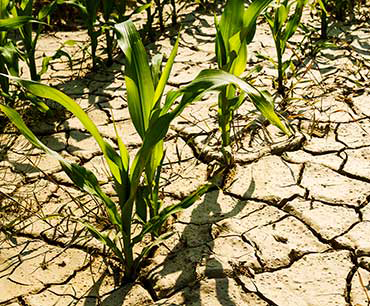
The United Nations’ call for renewed national climate action plans, targeting a 1.5-degree Celsius limit on global warming, took center stage during the 2025 International Mother Earth Day commemoration. This appeal underscores the critical need to mitigate the escalating climate crisis and avert impending environmental disasters. The day, established by a UN resolution in 2009, serves as a stark reminder of humanity’s shared responsibility to protect the Earth’s ecosystems, not merely for survival but also for the betterment of livelihoods and the preservation of biodiversity. This year’s observance highlighted the interconnectedness of environmental challenges, from climate change and biodiversity loss to pollution, and emphasized the urgent need for collective action, particularly from leading economies.
Roland Kayanja, Director of the UN Information Centre, speaking through his representative, emphasized the pivotal role of G20 nations in demonstrating leadership and implementing ambitious climate action plans. These plans are not simply bureaucratic exercises but represent concrete strategies to curb emissions, transition to sustainable energy sources, and invest in resilience measures. Kayanja’s call for action transcends national borders, urging a global, unified front against climate change. He underscored the necessity of securing financial resources to support these initiatives, recognizing that the transition to a sustainable future requires substantial investment in research, technology, and infrastructure. The hope resonated that 2025 could mark a turning point in global environmental stewardship, a year where collective action begins to heal the planet.
Reinforcing the UN’s message, various stakeholders echoed the call for global environmental responsibility. Dr. Umar Yakasai, Director-General of the Tinubu Campaign Organisation, emphasized the intergenerational responsibility to protect the environment, advocating for tangible actions like tree planting to safeguard natural resources for future generations. This perspective underscores the ethical dimension of environmental stewardship, acknowledging that current actions have profound consequences for future inhabitants of the planet. It highlights the need to move beyond short-term gains and embrace sustainable practices that ensure long-term ecological balance.
Roland Echee, Director of Parks and Recreation in Abuja, further illuminated the intrinsic value of Mother Earth, emphasizing the intricate web of life that sustains all living beings. His advocacy for sustainable practices extends beyond abstract principles to concrete actions that protect and restore ecosystems. This includes promoting responsible park management, preserving green spaces within urban environments, and fostering a deeper appreciation for the natural world. Echee’s contribution emphasizes the importance of local actions in contributing to global environmental goals.
Fatima Kachallah, President of the Association of Flower Nurseries and Landscaping Practitioners of Abuja, provided a practical perspective on mitigating climate change, highlighting the role of trees in carbon sequestration and ecosystem restoration. Her advocacy for environmentally friendly practices extends beyond tree planting to encompass a broader range of sustainable land management techniques. Kachallah’s message underscores the importance of individual and community engagement in environmental protection, demonstrating how seemingly small actions can collectively contribute to significant positive change.
The convergence of these voices during International Mother Earth Day 2025 underscores a growing global consensus on the urgency of environmental action. The call for national climate action plans aligned with the 1.5-degree Celsius target represents a critical step towards mitigating the worst impacts of climate change. However, the emphasis on collective responsibility indicates that government action alone is insufficient. The calls for individual actions, from tree planting to adopting sustainable practices, demonstrate the crucial role of citizen engagement in achieving global environmental goals. This shared responsibility extends across generations, requiring present actions to safeguard the planet’s future. Finally, the emphasis on education, conservation, and sustained financial investment highlights the multifaceted approach necessary to address the complex challenges of climate change and environmental degradation. The overarching message is that 2025 must be a year of action, a year where rhetoric translates into tangible progress towards a sustainable and healthy planet.