





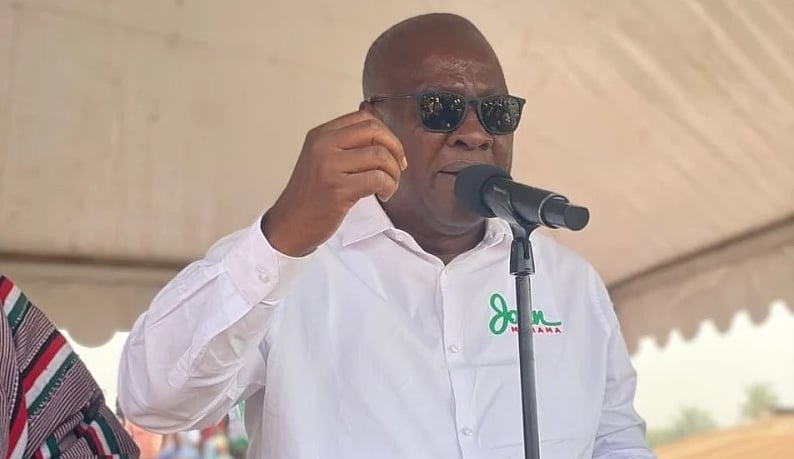
John Dramani Mahama’s re-ascension to the Ghanaian presidency marks a significant turning point in the nation’s political landscape, signaling a public desire for change and a renewed hope for economic stability and progress. His victory, lauded by figures such as UN Peace Ambassador Bishop Dr. Sam Owusu, not only reinforces Ghana’s democratic credentials but also presents an opportunity to address the socio-economic challenges that have plagued the nation in recent years. Mahama’s win represents a rejection of the incumbent New Patriotic Party (NPP) and their handling of the economic crisis, paving the way for the National Democratic Congress (NDC) to implement their vision for Ghana’s future. The election results underscore the power of the electorate to hold their leaders accountable and advocate for policies that better serve their needs.
Mahama’s victory comes after a period of significant economic hardship for Ghana, marked by soaring inflation, a crippling national debt default, and widespread public discontent. The outgoing NPP administration, led by President Nana Akufo-Addo, struggled to manage the economic downturn, leading to growing frustration among Ghanaians. This widespread dissatisfaction fueled the desire for change, ultimately propelling Mahama and the NDC back into power. The election outcome serves as a stark reminder of the importance of sound economic management and the direct impact government policies have on the lives of ordinary citizens. The mandate given to Mahama and the NDC is a clear call to prioritize economic recovery and improve the living standards of Ghanaians.
The concession of defeat by Vice President Mahamudu Bawumia, the NPP’s presidential candidate, signifies a peaceful transition of power and reflects the maturity of Ghana’s democratic processes. Bawumia’s acknowledgement of the public’s desire for change underscored the legitimacy of the election outcome and demonstrated a commitment to upholding democratic principles. This peaceful transition reinforces Ghana’s reputation as a beacon of stability and democracy in the West African region. It sets a positive example for other nations, demonstrating that power can be transferred smoothly and respectfully, even in the face of political differences and economic challenges.
For Mahama, this victory represents a remarkable political comeback. Having served as president from 2012 to 2017, he experienced defeats in both the 2016 and 2020 elections. His return to power highlights the cyclical nature of politics and the enduring appeal of his leadership among a significant portion of the Ghanaian electorate. This victory provides Mahama with a second chance to implement his vision for Ghana and address the concerns that led to his previous electoral defeats. It also underscores the importance of perseverance in politics and the ability to learn from past experiences to shape future strategies.
The NDC’s securing of a parliamentary majority alongside the presidency provides the party with a strong mandate to implement their legislative agenda and govern effectively. This unified control of both the executive and legislative branches will allow Mahama and the NDC to pursue their policy goals with greater efficiency and potentially minimize political gridlock. It also places significant responsibility on the NDC to deliver on their promises and address the concerns that led to the NPP’s downfall. The Ghanaian public will be closely watching their performance and holding them accountable for their actions.
Bishop Owusu’s congratulatory message to Mahama further emphasizes the significance of this electoral victory. His recognition of the positive impact on Ghana’s democratic image and his expression of optimism for the future under Mahama’s leadership highlight the broader implications of this political transition. The international community will also be observing Mahama’s second term, particularly his approach to economic recovery, social development, and regional stability. His leadership will play a crucial role in shaping Ghana’s future trajectory and its standing within the international community.








