





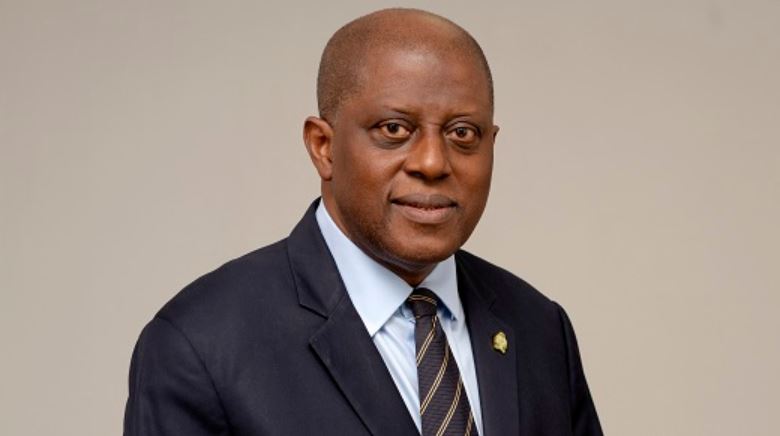
The Central Bank of Nigeria (CBN) has taken a firm stance to address the ongoing issue of cash scarcity experienced at Automated Teller Machines (ATMs) across the country. This decision was highlighted by CBN Governor Olayemi Cardoso during the annual Bankers’ Dinner hosted by the Chartered Institute of Bankers of Nigeria in Lagos. Throughout recent weeks, Nigerians have faced difficulties accessing cash, both through ATMs and directly at bank counters. To mitigate these challenges, Cardoso emphasized the bank’s commitment to conducting spot checks on Deposit Money Banks (DMBs). He articulated that from December 1, 2024, customers will have established channels to report cash shortages directly to the CBN, which aims to enhance accountability and service delivery in the banking sector.
To further encourage compliance, Cardoso warned that financial institutions engaged in malpractices would face serious consequences, including penalties for underperformance. The CBN recognizes the adverse effects of cash scarcity on ordinary citizens, particularly during critical periods of demand such as festive seasons. In a bid to ensure accountability and improve the availability of cash, the CBN plans to circulate guidelines to raise public awareness regarding the reporting mechanisms for cash shortages. This initiative is part of a broader strategy to promote digital transaction channels and ensure that all stakeholders, including mobile money operators and point-of-sale (POS) agents, adhere to regulatory compliance standards.
Cardoso elaborated on the CBN’s monetary policy shift, which involves a reduction in direct intervention in developmental initiatives. He acknowledged the bank’s efforts in injecting over N10 trillion into the economy through various sector programs, ranging from agriculture to aviation and the power sector. Despite this impulse towards monetary policy orthodoxy, the CBN has successfully recovered nearly N1 trillion from previous development finance programs, underlining the importance of robust monitoring and adherence to financial guidelines. This approach aims to secure the effective utilization of loans and ensure the sustainability of development finance in Nigeria.
Looking to the future, Cardoso expressed optimism regarding enhancing foreign exchange (FX) markets and increasing diaspora investments into Nigeria. He forecasted that thoughtful initiatives targeting the Nigerian diaspora would yield a target of $1 million monthly in remittance inflows. This aim follows the CBN’s earlier success in doubling remittance flows amid initial skepticism. The strategy hinges on building resilient and liquid FX markets that would appeal to both the diaspora and foreign investors over the coming year. Cardoso viewed the potential for increased remittances as pivotal for bolstering Nigeria’s economy.
In terms of broader economic goals, Cardoso reiterated the CBN’s commitment to creating an environment conducive to recovery and growth, while ensuring that the monetary policies foster sustainable development across various sectors. He highlighted the need for governance and strategic planning in development finance, allowing the country to maximize the impacts of financial interventions. In conclusion, the CBN, under Cardoso’s leadership, is positioning itself to enhance its regulatory framework while addressing immediate cash availability challenges, with an eye towards promoting long-term economic stability.
During the Bankers’ Dinner, significant accolades were awarded, including the conferment of fellowships to notable figures such as Cardoso and Lagos State Governor Babajide Sanwo-Olu, marking their contributions to the financial and economic landscape of Nigeria. Esteemed attendees included government officials and industry leaders, further emphasizing the collaborative approach needed to navigate the current financial landscape. As the CBN undertakes these initiatives, the expectation is for a more transparent and efficient financial environment that prioritizes the needs of everyday citizens while fostering investment confidence in the Nigerian economy.








