





The allegations by US Congressman Scott Perry that the United States Agency for International Development (USAID) has been funding terrorist organizations, including Boko Haram, have ignited a firestorm of controversy in Nigeria, prompting calls for a thorough investigation into the matter. Perry, during a subcommittee hearing focused on government waste and fraud, claimed that USAID funneled $697 million annually, along with unspecified cash shipments, to various terrorist groups, including Boko Haram, ISIS, Al-Qaeda, and ISIS Khorasan. This explosive claim comes at a time when Nigerian authorities are already grappling with concerns about the financial networks supporting Boko Haram’s insurgency, further fueling anxieties about the protracted conflict in the North-East.
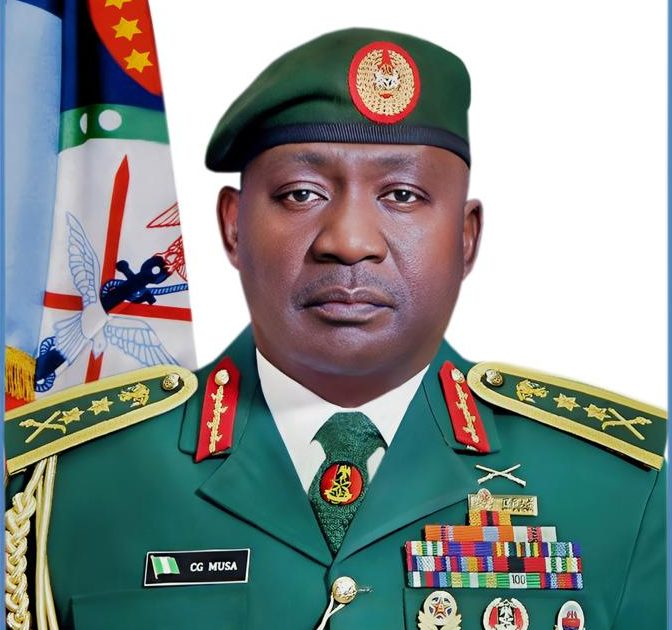
The congressman’s accusations have resonated with existing suspicions within Nigeria. The Chief of Defence Staff, Christopher Musa, recently voiced his own concerns about the operations of international NGOs in the conflict zones, suggesting potential links to terrorist financing. Musa’s call for a UN investigation into the funding sources of terror groups, coupled with reports of captured insurgents possessing foreign currencies, has created a climate of distrust and suspicion. Perry’s allegations have now added fuel to this fire, raising questions about the true nature of foreign aid and its potential unintended consequences.
Nigerian reactions to the allegations have been varied. While the Nigerian government has yet to release an official statement, prominent figures, including former diplomats and academics, have expressed their opinions. Some have called for a thorough investigation to ascertain the veracity of the claims, emphasizing the need for Nigeria to engage with international bodies to verify the information and take appropriate diplomatic and security measures. Others have expressed skepticism, demanding concrete evidence from the US government to substantiate the congressman’s claims. The lack of an official response from the Nigerian government, however, underscores the delicate nature of the situation and the need for a careful and measured approach.
The context of Perry’s allegations is crucial. The congressman, a Republican, made the claims during a hearing explicitly focused on government waste and fraud. This raises questions about the political motivations behind the accusations, particularly given the Trump administration’s previous suspension of USAID programs over corruption concerns. It is plausible that the allegations are part of a broader effort to discredit USAID and justify cuts to foreign aid. This political dimension complicates the issue, making it difficult to disentangle genuine concerns about terrorist financing from partisan maneuvering.
Several Nigerians have interpreted the allegations as further evidence of a broader pattern of Western interference and destabilization in Africa. Some commentators have argued that foreign powers, including the US, have a vested interest in maintaining instability in the region, as it serves their geopolitical and economic interests. This perspective views Perry’s claims not as an isolated incident but as part of a larger narrative of exploitation and manipulation. This sentiment underscores the deep-seated mistrust that exists between some African nations and Western powers, further complicating the already complex issue of terrorism financing.
Former Nigerian Ambassador to Brazil and Argentina, Dele Cole, while condemning the allegations, also used the opportunity to advocate for greater self-reliance for African nations. He called for a reduced dependence on Western aid and emphasized the need for African countries to develop their resources and capacities to address their own challenges. This perspective highlights the potential silver lining of the controversy: a renewed focus on African self-sufficiency and a reassessment of the role of foreign aid in development and stability. While the allegations require thorough investigation, they also present an opportunity for critical reflection on the dynamics of international relations and the importance of independent development for African nations.








