









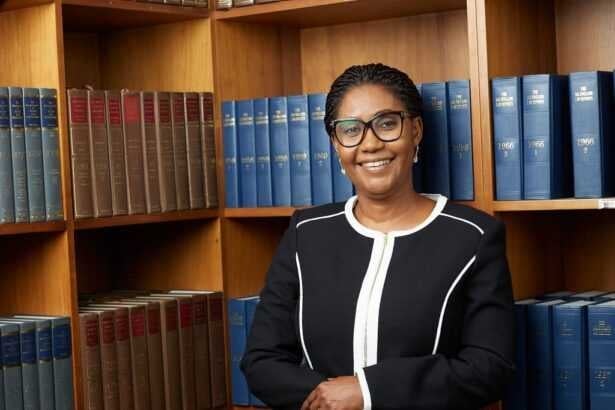
Victoria Emeafa Hardcastle’s appointment as Acting CEO of Ghana’s Petroleum Commission marks a significant transition in leadership for the crucial regulatory body overseeing the country’s oil and gas sector. President John Mahama’s selection, effective January 17, 2025, signals a focus on leveraging Hardcastle’s extensive legal and regulatory expertise to navigate the complex challenges and opportunities facing the industry. Hardcastle’s background, combining a strong academic foundation with practical experience in energy law, corporate governance, and international development, positions her well to steer the Commission through a period of potential growth and transformation. As the oil and gas landscape continues to evolve, her leadership will be instrumental in ensuring the sustainable and responsible development of Ghana’s petroleum resources.
Hardcastle’s credentials demonstrate a commitment to professional excellence and a deep understanding of the intricacies of the energy sector. Her academic achievements, including a BA (Hons) in Law and Sociology and an LLM in Banking and Finance from the prestigious London School of Economics as a Chevening Scholar, underscore her intellectual prowess and dedication to continuous learning. These qualifications, combined with her experience as a Senior Partner at a reputable law firm, provide a solid foundation for her to effectively lead the Petroleum Commission. Her expertise extends beyond legal frameworks, encompassing a comprehensive understanding of corporate and commercial law, crucial for navigating the complex business environment of the oil and gas industry.
Her specialized knowledge of the regulatory landscape within the oil and gas sector makes her particularly well-suited to lead the Petroleum Commission. This expertise is critical for ensuring compliance, promoting transparency, and fostering a stable investment climate. Hardcastle’s familiarity with the legal aspects of investment, banking, and finance further strengthens her ability to manage the financial complexities associated with the petroleum industry. This comprehensive understanding of the legal and financial aspects of the industry will allow her to effectively oversee the Commission’s mandate and contribute to the sustainable development of Ghana’s oil and gas resources.
Furthermore, Hardcastle’s experience working with the Government of Ghana, regulatory bodies, and international development partners demonstrates her ability to navigate the intricate web of stakeholders involved in the petroleum sector. This collaborative experience will be invaluable in fostering productive relationships and building consensus among various actors. Her involvement in economic development strategies, development assistance, and trade relations further broadens her perspective and equips her to consider the wider economic implications of the Commission’s decisions. This holistic approach will be crucial for maximizing the benefits of Ghana’s petroleum resources for the country’s overall development.
The appointment of an Acting CEO suggests a period of transition and potential restructuring within the Petroleum Commission. Hardcastle’s mandate will likely involve assessing the current state of the Commission, identifying areas for improvement, and implementing strategies to enhance its effectiveness. This may include strengthening regulatory frameworks, streamlining processes, and promoting greater transparency and accountability. Her experience in corporate governance and her understanding of international best practices will be instrumental in modernizing the Commission and ensuring its alignment with global standards.
Hardcastle’s leadership will be vital in shaping the future of Ghana’s oil and gas sector. As the industry faces increasing scrutiny regarding environmental sustainability and social responsibility, her expertise will be crucial in navigating these complex issues. Her focus on economic development and her experience working with international development partners suggest a commitment to responsible resource management and maximizing the benefits for the Ghanaian people. Ultimately, her success will be measured by her ability to foster a thriving and sustainable oil and gas sector that contributes to Ghana’s long-term economic prosperity and social well-being.









