





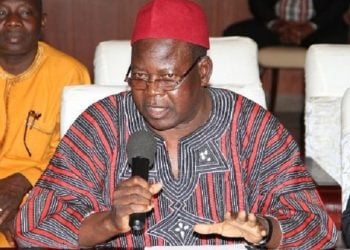
Vitus Azeem, a prominent anti-corruption advocate, has launched a scathing critique of Ken Ofori-Atta, the former Finance Minister of Ghana, accusing him of implementing detrimental policies that plunged the nation into profound economic hardship. Azeem’s condemnation comes amidst an ongoing investigation by the Office of the Special Prosecutor (OSP), in which Ofori-Atta has been formally designated as a suspect. The investigation focuses on alleged financial improprieties during Ofori-Atta’s tenure, including controversial policies related to the banking sector cleanup and the government’s debt restructuring program, commonly referred to as the “haircut.”
Azeem, speaking on Citi FM’s Eyewitness News, articulated the devastating impact of these policies on ordinary Ghanaians. He highlighted the immense suffering endured by pensioners and individuals whose financial security was shattered. He argued that Ofori-Atta’s actions had far-reaching consequences, not only crippling the national economy but also inflicting severe personal losses on countless citizens. The banking sector reforms, while intended to stabilize the financial system, inadvertently led to the collapse of several indigenous banks, leaving depositors stranded and eroding public trust in the banking sector. Azeem contends that the “haircut,” a debt restructuring measure designed to address Ghana’s burgeoning debt burden, unfairly targeted vulnerable segments of the population, including pensioners, whose life savings were effectively locked up, rendering them incapable of accessing their funds.
The anti-corruption campaigner pointedly emphasized the plight of pensioners, many of whom have lost their life savings due to the government’s financial policies. He underscored the tragic irony of these policies, which, while ostensibly aimed at improving the nation’s financial health, have instead caused immense hardship and, in some cases, even death. Azeem’s accusations paint a grim picture of the human cost of economic mismanagement, where vulnerable individuals, particularly pensioners who relied on their savings for their livelihood, were disproportionately affected by policies designed to address macroeconomic challenges. He questioned the moral implications of these policies, arguing that they represent a betrayal of the public trust and a failure to protect the most vulnerable members of society.
Furthermore, Azeem expressed his support for the Special Prosecutor’s investigation into Ofori-Atta’s conduct. He argued that the probe is a necessary step towards holding those responsible for economic mismanagement accountable. However, he also criticized the perceived delay in initiating the investigation, questioning why Ofori-Atta was allowed to leave the country before the OSP’s actions gained momentum. This delay, according to Azeem, raises concerns about the effectiveness and impartiality of the investigation, suggesting the possibility of undue influence or a lack of political will to pursue the case with the necessary urgency.
Azeem’s criticisms resonate with a growing chorus of voices expressing concern over the economic management of the previous administration. The economic hardship experienced by many Ghanaians, coupled with allegations of financial mismanagement, has fueled public discontent and demands for accountability. The ongoing investigation by the Special Prosecutor represents a crucial test of Ghana’s anti-corruption mechanisms and its commitment to holding powerful figures accountable for their actions.
The outcome of the OSP’s investigation into Ofori-Atta’s conduct will have significant implications for the future of Ghana’s economic and political landscape. It will not only determine the culpability of the former Finance Minister but also send a powerful message about the government’s commitment to transparency and accountability. A thorough and impartial investigation is essential to restore public trust, address the grievances of those affected by the economic crisis, and ensure that future economic policies are implemented with greater sensitivity to the needs of all citizens, particularly the most vulnerable.








