The recent developments in the Ghanaian Parliament have led to a significant shift in the political landscape, particularly regarding the balance of power between the Majority and Minority parties. Following Speaker Alban Bagbin’s decision to adjourn the House indefinitely on October 22, 2024, after citing an insufficient number of Members of Parliament (MPs) to conduct business, a tumultuous atmosphere has enveloped parliamentary proceedings. The adjournment followed a heated discussion surrounding the Speaker’s declaration of four parliamentary seats as vacant, a decision that has been challenged and deemed contentious, specifically affecting the MPs from Fomena, Suhum, Agona West, and Amenfi Central. This declaration arose from a motion filed by Minority Leader Dr. Cassiel Forson, which invoked constitutional provisions that govern MPs who switch parties or run as independents, setting the stage for a political impasse characterized by a clash of interpretations regarding representation and legislative authority.
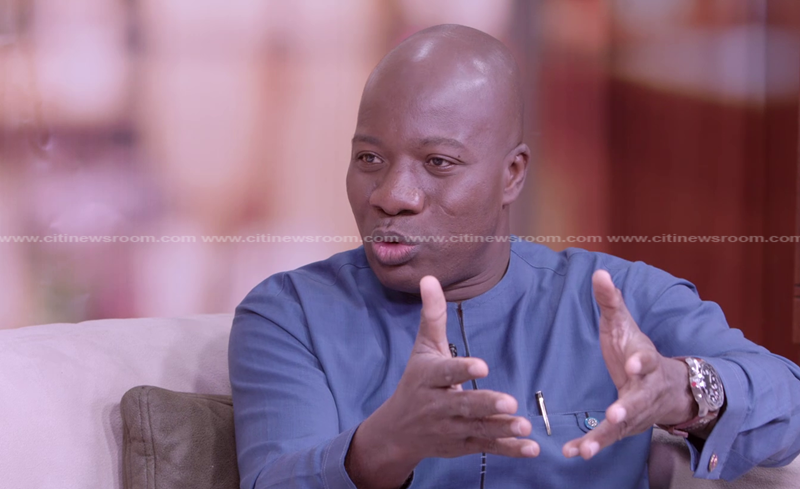
Despite the Supreme Court’s issuance of a stay on the execution of Bagbin’s ruling, which prevents the immediate vacating of the affected seats, the Minority has proclaimed itself as the majority party, leading to a declarative assertion of power. In a media interview, Mahama Ayariga, the MP for Bawku Central, articulated this position stating that the Speaker’s ruling stands, which reinforces the Minority’s claim of having a majority status until the Speaker reverses his declaration. Ayariga’s stance is indicative of the heightened tensions within Parliament, suggesting that the Minority believes it can effectively mobilize its political influence despite the underlying legal complexities surrounding the vacant seats. The assertion of majority status by the Minority sets the tone for the ongoing discussions and future engagements in Parliament, as they prepare to return to their constituencies while awaiting the next steps in resolving this legislative standoff.
The implications of this parliamentary deadlock extend beyond mere political posturing; it introduces a level of uncertainty into legislative processes at a crucial time. Both the Minority and Majority parties are now in a position of waiting, each anticipating the other’s moves in response to the Speaker’s adjournment and the state of the contested parliamentary seats. Ayariga’s insistence that the Minority will act as the majority underscores a larger theme of resilience in the face of procedural disruptions. He confidently remarked on their commitment to the constituencies, ensuring that they remain engaged with their electorate while positioning themselves as representatives of the majority in the eyes of the Speaker’s announcement. This standoff poses questions regarding governance efficacy and the ability of Parliament to proceed with essential business amidst significant internal disputes.
Ayariga dismissed concerns that the adjournment would hinder essential governmental activities, an assertion aimed at alleviating public worry about the implications of the parliamentary impasse on day-to-day governance and economic management. In his commentary, he criticized the government’s competency, asserting that the recent governmental actions have not delivered tangible relief to the hardships faced by Ghanaians. By shifting focus from the legislative paralysis to the government’s perceived failings, Ayariga sought to frame the situation not merely as a procedural battle but as one rooted in broader socio-economic challenges faced by the populace. His remarks insinuate that rather than viewing Parliament’s adjournment as a crisis, one might consider it a moment for reflection on governmental performance, thereby redirecting accountability towards the ruling party’s handling of pressing national issues.
As security remained tight before parliamentary sessions and the Majority party staged a walkout, the dynamics of parliamentary sessions have visibly shifted. Such actions reflect an escalating conflict that could shape the future of legislative practices in Ghana. The Majority’s decision to exit the chamber left the Minority to navigate the political landscape on its own terms, leading to an unorthodox situation where the parlance of ‘majority’ and ‘minority’ could be redefined based on interpretations of representation amidst the legal and procedural controversies. This behavior is emblematic of a deeper rift in Ghana’s political landscape, wherein parties are wrestling not only for policy positions but also for legitimacy and public support during a time of electoral campaigning. The consequences of such dynamics will likely reverberate through future legislative engagements, potentially altering how parties engage with each other and the institutions of governance in the long run.
While the immediate concern might revolve around the adjournment and Speaker Bagbin’s declarations, the broader implications of this parliamentary crisis lay in its potential to redefine the nature of political engagement in Ghana. It brings to light significant issues regarding party loyalty, representation principles, and the electorate’s expectations of their leaders. The Minority’s claim to majority status challenges conventional party dynamics, necessitating a reevaluation of how political conflict can manifest within legislative bodies. Should this standoff persist, it could lead to calls for reforms or a reimagining of parliamentary rules that accommodate the current realities of party politics in Ghana, especially as both sides prepare for the upcoming electoral campaigns.
Ultimately, the situation within Ghana’s Parliament speaks to a critical juncture where legislative action is intricately tied to broader political narratives and public sentiment. As both parties navigate this evolving landscape, the outcome of this parliamentary impasse will not only determine the near-term legislative agenda but also set precedents for future political interactions and governance in the country. The insistence on a self-proclaimed majority by the Minority raises pertinent questions about democratic representation, the role of institutions, and the responsibilities of elected officials amidst socio-economic distress. The importance of maintaining a functioning legislative body amid disputes cannot be overstated, as this role is central to ensuring the government remains accountable to its citizens during crucial periods of political engagement and social challenges.