





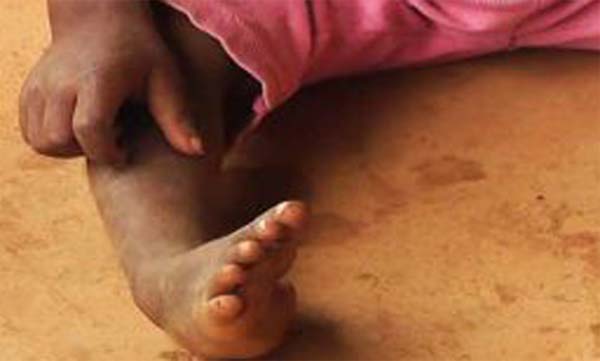
Nigeria is currently facing challenges with circulating variant poliovirus type 2 (cVPV2), with a total of 83 reported cases across 14 states. Dr. Muyi Aina, Executive Director of the National Primary Health Care Development Agency (NPHCDA), shared this information at a press briefing in Abuja in observance of World Polio Day, which emphasizes reaching every child. The annual event, on October 24, serves to raise awareness and mobilize resources for the global eradication of polio. Dr. Aina noted a significant achievement: Nigeria has remained free of wild poliovirus (WPV) since being certified as WPV-free in 2020. However, the emergence of cVPV2, which developed from the original virus and has begun to spread, poses a serious concern.
The overall situation regarding cVPV2 has shown some improvement, with the World Health Organisation reporting a 38% decrease in cases from 2023 to 2024. Dr. Aina emphasized the importance of reorganizing and enhancing the polio campaign strategies in Nigeria to combat the transmission of cVPV2 effectively. As of October 18, 2023, Nigeria has seen a reduction of approximately 35% in cVPV2 cases compared to the previous year. This figure includes 64 Acute Flaccid Paralysis (AFP) cases and 19 environmental samples. Despite this encouraging trend, Dr. Aina acknowledged that there is considerable work required to eliminate cVPV2 completely from the nation.
The NPHCDA has initiated proactive strategies targeted at immunizing children who have not received routine vaccinations. As a part of this effort, a campaign called “Identify, Enumerate and Vaccinate” has recently commenced in 109 high-risk wards, where nearly 908,000 children under five were counted, leading to the vaccination of over 793,000 of these children. The federal government and its partners are focused on improving access to immunizations, aiming to identify and successfully vaccinate more children in these regions. The number of previously unreached children in the 14 states has risen to 67% due to these campaigns, showcasing a tangible commitment toward improving public health initiatives.
However, challenges remain in ensuring that all children receive vaccinations against polio and other diseases, especially in conflict-prone regions. Dr. Walter Mulombo, the World Health Organization’s Country Representative to Nigeria, highlighted that as long as polio exists anywhere in the world, all nations remain at risk. He underscored the role of community commitment in vaccinating children, reminding the public about the importance of eradicating poliovirus and recognizing the contributions of volunteers and health workers in these efforts. The substantial decrease in cases reflects the combined efforts of the Nigerian government and its partners, indicating a path toward a polio-free future.
Dr. Shaikh Kabir from UNICEF encouraged a broader focus on routine immunization, stating that outbreaks of diseases show the necessity of a comprehensive health systems approach beyond just polio vaccination. He insisted that every child in Nigeria must receive vaccinations for polio and other preventable diseases, urging stakeholders to strengthen health systems effectively. In areas like Borno State, statistics reveal that 71.5% of children remain unvaccinated against polio, thus underscoring the urgent need for targeted immunization efforts. UNICEF has collaborated with local governments to mobilize support for vaccination, further pushing public awareness campaigns.
Local governments are also making strides; in Osun State, for instance, officials reported more than two years without a cVPV2 case. Dr. Oluwatoyin Ojediran, the WHO Coordinator for Osun, praised the joint efforts of governmental and health workers in maintaining polio-free status. Through robust surveillance systems and the swift detection of potential cases through Acute Flaccid Paralysis (AFP) surveillance, Osun’s health strategies emphasize the importance of vigilance in polio eradication efforts. Mr. Jola Akinola, the State’s Commissioner for Health, reiterated the collective responsibility to protect children from the devastating effects of polio and emphasized collaboration across sectors to maintain Nigeria’s progressive steps toward eradicating the disease.








