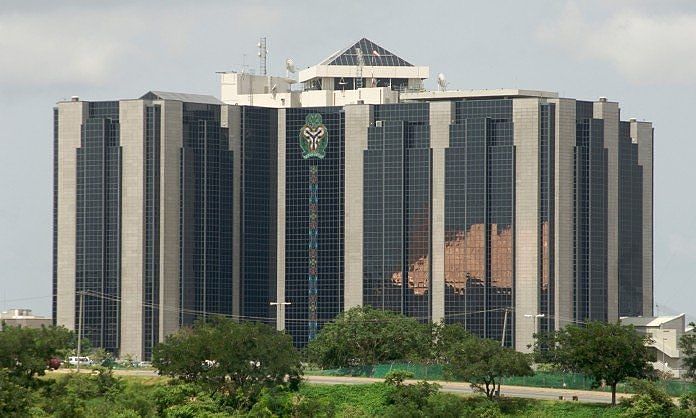
The Central Bank of Nigeria (CBN) is encouraged to reconsider its approach to foreign exchange market interventions, particularly regarding foreign exchange auctions. The World Bank provided this guidance in its Nigeria Development Update, advocating for a more flexible exchange rate policy through a transparent and systematic framework for interventions. The CBN’s recent auction, which sold $876.26 million to end users via a retail Dutch auction, deviated from its historical practice of selling forex primarily to Bureau De Change operators. This auction, characterized as a key effort by Governor Yemi Cardoso to stabilize the naira, involved distributing dollars to 3,347 firms at a cut-off rate of N1,495 per dollar, aiming to bolster liquidity and ease demand pressures in the market.
Despite these interventions, the World Bank’s report argues for a more market-responsive approach to foreign exchange transactions. It suggests that allowing greater flexibility for market participants in trading forex will help deepen the forex market. The report emphasizes the need for a unified and market-reflective exchange rate, while also proposing measures such as enhancing formal remittance inflows and focusing oil company forex sales in the official market. Importantly, the report warns against non-systematic and ad-hoc forex auctions, advocating instead for the CBN to adhere to a clear and constant strategy. Maintaining a stable exchange rate is viewed as crucial for fostering fiscal revenues and attracting domestic and foreign investment.
Alongside recommendations for the foreign exchange market, concerns about the banking sector’s health have also been highlighted. The World Bank disclosed a rise in non-performing loans (NPLs) within Nigerian banks, reaching 5.1 percent, slightly above the prudential benchmark. This increase in NPLs indicates a growing risk of defaults, raising alarms about the overall stability of the banking system. Given the continuous economic challenges, including rising inflation and naira depreciation, the capital buffers of banks have been eroded. The capital adequacy ratio dropped from 14.2 percent in Q1 2023 to 11.1 percent in Q1 2024, suggesting that banks are more vulnerable than before. Such developments call into question the robustness of lending practices and the financial health of the sector.
Furthermore, the CBN has engaged in extensive open market operations to regulate liquidity, with operations reaching over N6.6 trillion in just the first eight months of 2024—30 percent more than the total for the previous three years combined. This significant activity is an attempt to align market rates with the monetary policy rate (MPR). By increasing the standing deposit facility rate and adjusting other rates, the CBN is trying to tighten its monetary stance and ensure stable liquidity. The new monetary policy approach has not only attracted foreign exchange inflows but has also contributed to the solidification of forex reforms, highlighting a strategic move to enhance the overall economic landscape.
At the recent IMF/World Bank meetings, Nigerian officials acknowledged that while the government values the advice from international financial institutions, it does not always adopt their recommendations fully. Minister of Finance Wale Edun cited instances where the Nigerian government has prioritized its own economic strategies, such as oversubscribed domestic bonds, indicating a selective approach to external advice. This selective adherence reflects a broader narrative in which the government balances its autonomy with the need for external economic guidance, particularly in light of the country’s financial challenges.
In conclusion, the trajectory of Nigeria’s economic management hinges on the CBN’s ability to navigate both forex market interventions and the stability of the banking sector. The World Bank’s recommendations emphasize flexibility, transparency, and responsiveness as central tenets in reforming the forex market. Coupled with rising non-performing loans and reduced capital buffers in banks, these economic indicators call for decisive policy actions by the CBN. The government’s responses to international guidelines will play a critical role in shaping Nigeria’s economic recovery and fostering an environment conducive to growth, investment, and overall financial stability. As the CBN contemplates these multifaceted challenges, a coherent strategy that aligns with market realities and international best practices will likely be essential for stabilizing the naira and ensuring sustainable economic development.