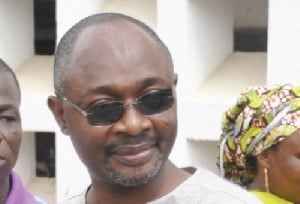
The re-emergence of Alfred Woyome, a figure entangled in past corruption scandals, into the political sphere of Ghana’s National Democratic Congress (NDC) has cast a long shadow over President-elect John Dramani Mahama’s impending administration, raising serious questions about his commitment to tackling corruption. Woyome’s previous involvement in a case where he was ordered to repay substantial funds to the state after being found guilty of wrongdoing has fueled public skepticism. His recent commentary on electoral issues for the NDC, a party Mahama leads, has further amplified these concerns, prompting many to wonder if Mahama’s return to power will truly prioritize protecting the public purse and combating the deep-rooted issue of corruption within the government. The situation has ignited a public debate, with citizens expressing both cautious optimism and deep-seated apprehension about the future of Ghana’s fight against corruption.
The unease surrounding Woyome’s presence within the NDC’s political discourse underscores the delicate balance Mahama must strike as he prepares to assume office. His campaign promises of a renewed focus on good governance and transparency are now being weighed against the perceived tolerance of individuals with questionable pasts. This juxtaposition has left many Ghanaians questioning the sincerity of Mahama’s anti-corruption rhetoric. The concern is not merely about Woyome’s individual actions, but rather the symbolic weight his presence carries. It raises the specter of a potential return to a political landscape where individuals implicated in corruption can operate with impunity, potentially undermining the public’s trust in the government’s commitment to accountability.
Public figures and thought leaders have voiced their concerns about the potential implications of Woyome’s involvement with the NDC. Kwame Amporful, for instance, publicly challenged Mahama’s commitment to fighting corruption, questioning whether the President-elect has explicitly stated his intention to safeguard public resources. This pointed inquiry reflects the broader public demand for clear and unequivocal assurances from Mahama that his administration will prioritize transparency and accountability. The lack of explicit statements from Mahama on the matter has only served to fuel speculation and deepen the anxieties of those who fear a resurgence of corruption under his leadership.
Similarly, Barnabas Nii Laryea, a prominent thought leader, expressed his reservations about the direction of Mahama’s anti-corruption agenda in light of Woyome’s continued association with the NDC. Laryea’s cautious optimism, tempered by the acknowledgment of Woyome’s presence, encapsulates the prevailing sentiment among many Ghanaians. While some hold out hope that Mahama will deliver on his promises, the skepticism remains palpable. The upcoming announcement of ministerial appointments is viewed as a crucial litmus test. The individuals chosen to serve in key positions will signal Mahama’s true intentions and determine whether his administration will genuinely prioritize good governance or revert to past practices.
The public’s focus on Mahama’s forthcoming ministerial appointments highlights the significance of these selections in shaping public perception and setting the tone for his administration’s approach to corruption. The inclusion of individuals with questionable backgrounds, particularly those associated with past corruption scandals, would inevitably signal a lack of seriousness in tackling the issue. Conversely, the appointment of individuals known for their integrity and commitment to transparency would send a strong message that Mahama is genuinely committed to reforming the system and holding those in power accountable. This period of anticipation and scrutiny underscores the high stakes involved in these appointments, as they will directly impact public trust and influence the trajectory of Mahama’s presidency.
In conclusion, the re-emergence of Alfred Woyome onto the political stage has created a complex and delicate situation for President-elect John Dramani Mahama. While many Ghanaians are reserving judgment until the unveiling of his ministerial appointments and policy direction, the concerns surrounding Woyome’s presence are undeniable. The situation underscores the critical importance of transparency and accountability in Mahama’s upcoming administration. His actions in the coming months will determine whether he can effectively address the public’s anxieties and restore faith in his commitment to combating corruption, or whether his presidency will be overshadowed by the lingering doubts and suspicions surrounding his approach to this critical issue. The future of Ghana’s fight against corruption hangs in the balance, and the world is watching.