





Joshua Ayayi, the Executive Director of the Youth Alliance for Sustainability, has called upon the Ghanaian government to adopt a comprehensive and multifaceted strategy to address the pressing issue of illegal mining, known locally as “Galamsey.” Speaking at the Youth Manifesto and Peaceful Elections Campaign held in the Volta Regional Capital of Ho, Ayayi highlighted the socio-economic dimensions that underlie the persistence of Galamsey activities. He pointed out that the primary catalyst for individuals engaging in illegal mining is economic hardship; many locals, faced with dire financial straits and the urgent need for sustenance, prioritize immediate survival over environmental concerns. Ayayi argued that simply proposing a ban on Galamsey without providing viable alternatives fails to address the root causes of the issue. His perspective indicates that solutions should not only tackle the illegal activities but also create sustainable livelihood options for those currently dependent on them.
At the heart of Ayayi’s advocacy is the necessity for a holistic approach that integrates both economic and environmental considerations. He emphasized that effective policies must encompass a keen understanding of local communities’ challenges in order to be viable and accepted. His remarks underscore the importance of engaging with the affected populations to develop systems that encourage sustainable practices while providing the economic stability they desperately need. Moreover, he reiterated that addressing Galamsey is not merely an environmental issue but a social one that calls for empathy and informed responses from the government and other stakeholders.
The backdrop of this call for action is the Youth Manifesto and Peaceful Elections Campaign, an event aimed at amplifying the voices of young Ghanaians regarding their priorities for the forthcoming government. Ayayi remarked on the significance of youth participation in the democratic process, especially in times of political transition. He expressed a commitment to ensuring that Ghana continues to be a stable and peaceful nation beyond the elections scheduled for December 7. This focus on peace is particularly timely in light of previous political tensions and emphasizes the role of young people as agents of change and contributors to national stability.
The youth population in Ghana, constituting approximately 38% of the demographic, is recognized as both vulnerable and instrumental in shaping the future of the country. This statistic was reaffirmed by data from the 2021 Population and Housing Census (PHC), highlighting the critical need to address the aspirations and concerns of this demographic. In response to these needs, the Ghana Youth Manifesto was launched on December 23, 2023, providing a roadmap for creating a more equitable and inclusive society. This manifesto serves not only as a reflection of young people’s dilemmas but also as a framework for addressing various socio-economic issues that affect their lives, including employment, education, and health access.
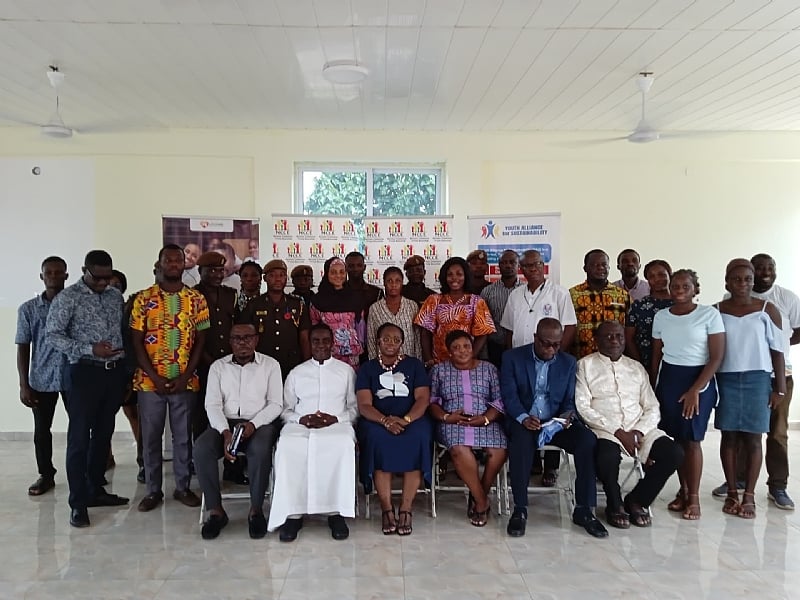
The event that hosted the manifesto’s launch brought together a diverse array of stakeholders, including representatives from government organizations, civil society, and various youth groups. Notable attendees included officials from the Electoral Commission, Plan Ghana, the Ghana Peace Council, and others committed to youth engagement and peaceful electoral processes. These stakeholders acknowledged the importance of fostering an environment conducive to youth participation in governance and policy formulation. Their collective presence and commitment during the event signified a unified effort to prioritize the needs of the youth in shaping Ghana’s future.
In conclusion, the gathering culminated in a shared commitment among stakeholders to uphold peace during the upcoming general elections. The emphasis on dialogue and collaboration among various entities highlights the necessity of a unified approach in addressing the complexities of youth challenges in Ghana. Ayayi’s insights call for sustained efforts to transition discussions into actionable policies that consider the intricate balance between economic survival and environmental stewardship. By effectively engaging young people in these critical conversations, Ghana can cultivate a more resilient and hopeful future for its youth, paving the way for sustainable development and a peaceful democratic process.








