









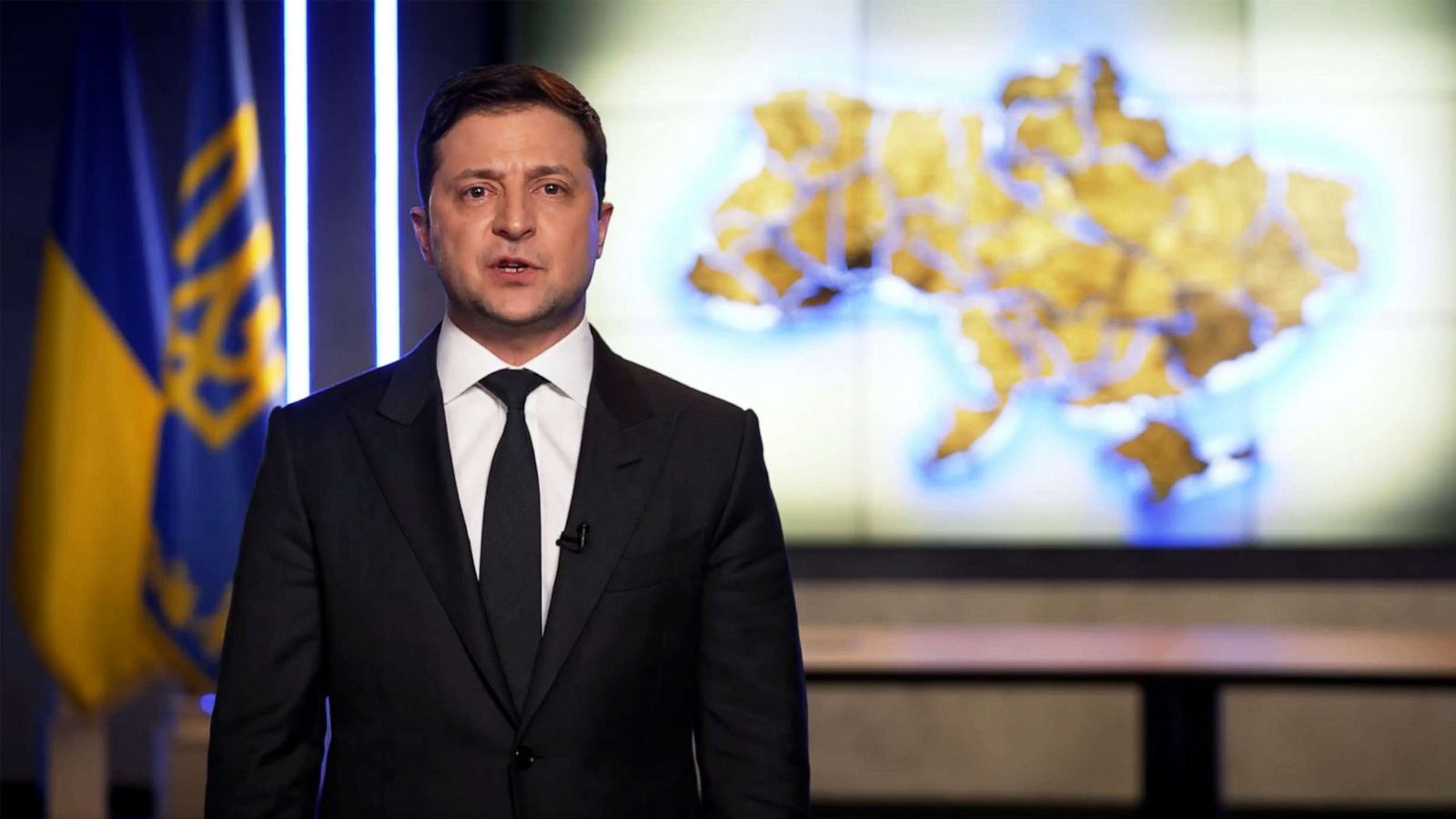
The Munich Security Conference, a pivotal gathering of global leaders, convened under a shadow of unease and uncertainty as anxieties mounted about the trajectory of the Ukraine war. Just days prior, a watershed conversation between US President Donald Trump and Russian President Vladimir Putin had sent shockwaves through Ukraine and its allies, raising fears that a peace settlement might be brokered without their meaningful input. Trump’s announcement of impending peace talks and planned exchange of visits with Putin marked a dramatic shift after years of international isolation for the Russian leader, leaving Ukraine and its European partners apprehensive about their future security.
Ukrainian President Volodymyr Zelensky, set to meet with US Vice President JD Vance in Munich, issued a stark warning against placing trust in Putin’s professed desire to end the war. Zelensky pressed for a concrete “plan to stop Putin” to be agreed upon with the United States before any negotiations commenced. This underscored Kyiv’s deep-seated concern that its vital interests would be sacrificed in a hastily arranged peace deal. European allies echoed these concerns, fearing that Trump might pressure Ukraine into an unfavorable agreement, leaving them to contend with an emboldened Russia on their borders while shouldering the primary burden of post-war security costs.
The undercurrent of distrust was further amplified by the new US administration’s signals that Ukraine might have to cede territory to Russia and that NATO membership for Kyiv was unrealistic. European allies were taken aback by the blunt assertion that the responsibility for securing Ukraine’s future would fall squarely on their shoulders, aligning with Trump’s “America First” policy and his prioritization of China as the primary strategic threat. This perceived shift in US foreign policy generated considerable anxiety amongst European leaders, diplomats, and generals gathered in Munich, raising concerns about the widening transatlantic rift and potentially even the stability of the post-World War II international order.
Adding to the already tense atmosphere, prominent voices warned of potential historical parallels. EU foreign affairs chief Kaja Kallas cautioned against appeasement, invoking the specter of the 1938 Munich Agreement, where concessions to Nazi Germany ultimately failed to prevent further aggression. The use of this loaded term, in the very city where the agreement was signed, resonated deeply, highlighting the gravity of the situation. Ukraine’s Foreign Minister Andriy Sybiga expressed concerns about a resurgence of a “post-Yalta mentality,” where major powers carve up the world in closed-door negotiations, disregarding the sovereignty of smaller nations.
While navigating these treacherous diplomatic waters, Zelensky, despite facing the prospect of having Ukraine’s core demands sidelined after a protracted and devastating war, maintained a measured tone. He expressed displeasure that Trump had contacted Putin before reaching out to him but reiterated his desire to collaborate with the US on a strategy to halt Russian aggression before entering any negotiations. Zelensky was expected to leverage the Munich conference to intensify his appeals for greater European support in achieving a “just peace.” This underscored Ukraine’s determination to remain an active participant in shaping its own destiny, rather than being a passive recipient of decisions made by global powers.
The Munich Security Conference became a stage for a complex interplay of anxieties, warnings, and diplomatic maneuvering. The looming prospect of a US-Russia brokered peace deal raised concerns about Ukraine’s future and the broader implications for European security. The historical echoes of past appeasement and great power politics added a layer of gravity to the proceedings. Amidst this uncertainty, Zelensky’s call for a united front against Russian aggression and his determination to secure a just peace for Ukraine remained a focal point, reflecting his commitment to safeguarding his nation’s sovereignty and territorial integrity.









